
 By Callum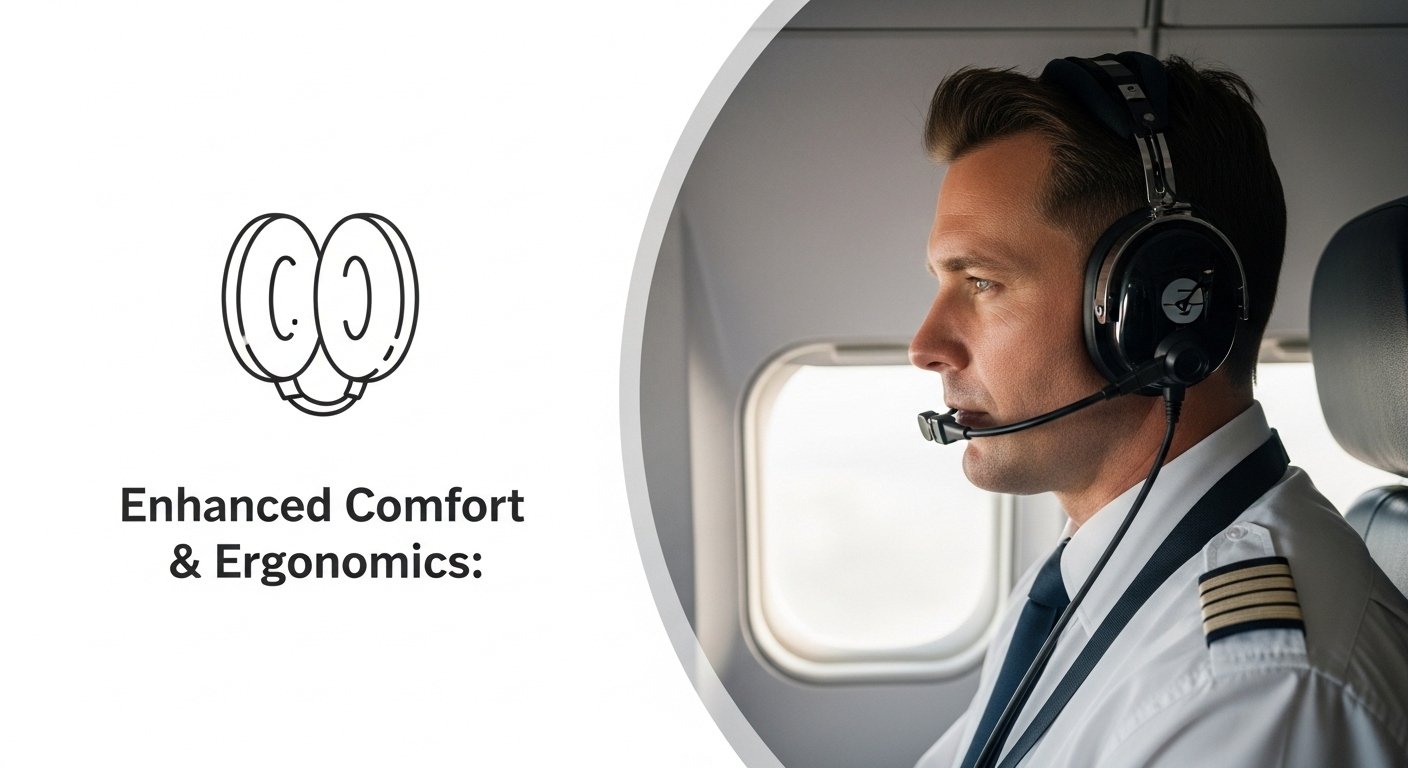
Clear, reliable communication is one of the most important elements of safe and efficient flight operations. Pilots depend on precise audio transmission to coordinate with air traffic control, communicate with crew members, and maintain situational awareness in dynamic environments. As aviation technology continues to evolve, modern headsets have become more sophisticated, offering features that significantly enhance clarity, comfort, and operational confidence. Understanding how these advancements support in‑flight communication helps highlight their value in both professional and recreational aviation settings.
Enhanced Noise Reduction for Clearer Audio
Aircraft cockpits are inherently noisy environments. Engine vibrations, airflow, and mechanical systems create continuous background noise that can interfere with critical communication. Advanced headset technology addresses this challenge through improved passive and active noise reduction capabilities.
Active noise reduction systems use microphones and digital processing to counteract ambient sound, allowing pilots to hear transmissions with greater clarity. This reduces the strain of deciphering instructions and minimizes the risk of miscommunication. High quality headsets, such as the reputable DC One-X, demonstrate how modern engineering can significantly improve audio precision even in high noise conditions. By reducing auditory distractions, pilots can focus more effectively on flying and responding to real time information.
Superior Microphone Performance for Accurate Transmission
Clear outgoing communication is just as important as receiving accurate audio. Modern aviation headsets incorporate advanced microphone technology designed to filter out background noise while capturing the pilot’s voice with precision.
Noise canceling microphones help ensure that only the pilot’s speech is transmitted, preventing interference from cockpit sounds. This is especially valuable during busy flight operations, when clear and concise communication is essential. Improved microphone sensitivity and directional design also contribute to more consistent audio quality, reducing the likelihood of repeated transmissions or misunderstandings.
Improved Comfort for Long Duration Flights
Comfort may not seem directly related to communication, but it plays a significant role in a pilot’s ability to stay focused and responsive. Long flights can lead to fatigue, and uncomfortable headsets can contribute to distraction or physical strain.
Advanced headset designs prioritize ergonomics through lightweight materials, cushioned ear seals, and adjustable components. These features help distribute pressure evenly and reduce discomfort during extended use. When pilots feel comfortable, they are better able to maintain concentration, respond quickly to instructions, and communicate effectively throughout the entire flight.
Wireless and Connectivity Enhancements for Operational Flexibility
Modern aviation headsets increasingly incorporate wireless technology and improved connectivity options. Bluetooth integration allows pilots to connect to onboard systems, electronic flight bags, or personal devices without compromising communication with air traffic control.
Wireless features reduce cable clutter in the cockpit, improving mobility and minimizing the risk of entanglement. Enhanced connectivity also supports seamless transitions between communication channels, allowing pilots to manage multiple audio sources with ease. These advancements contribute to a more organized cockpit environment and support efficient communication workflows.
Durability and Reliability for Demanding Conditions
Aviation environments require equipment that can withstand frequent use, temperature variations, and physical stress. Advanced headset technology incorporates durable materials and reinforced components to ensure long term reliability.
Consistent performance is essential for maintaining communication quality. Pilots rely on headsets that function flawlessly every time they fly, regardless of conditions. Modern designs undergo rigorous testing to ensure they meet industry standards for durability, audio performance, and safety. This reliability helps pilots maintain confidence in their equipment and reduces the risk of communication failures during critical moments.
Conclusion
Advanced headset technology enhances in‑flight communication through improved noise reduction, superior microphone performance, greater comfort, enhanced connectivity, and long lasting durability. These innovations support safer, more efficient flight operations and help pilots maintain clear communication in demanding environments.