
 By Callum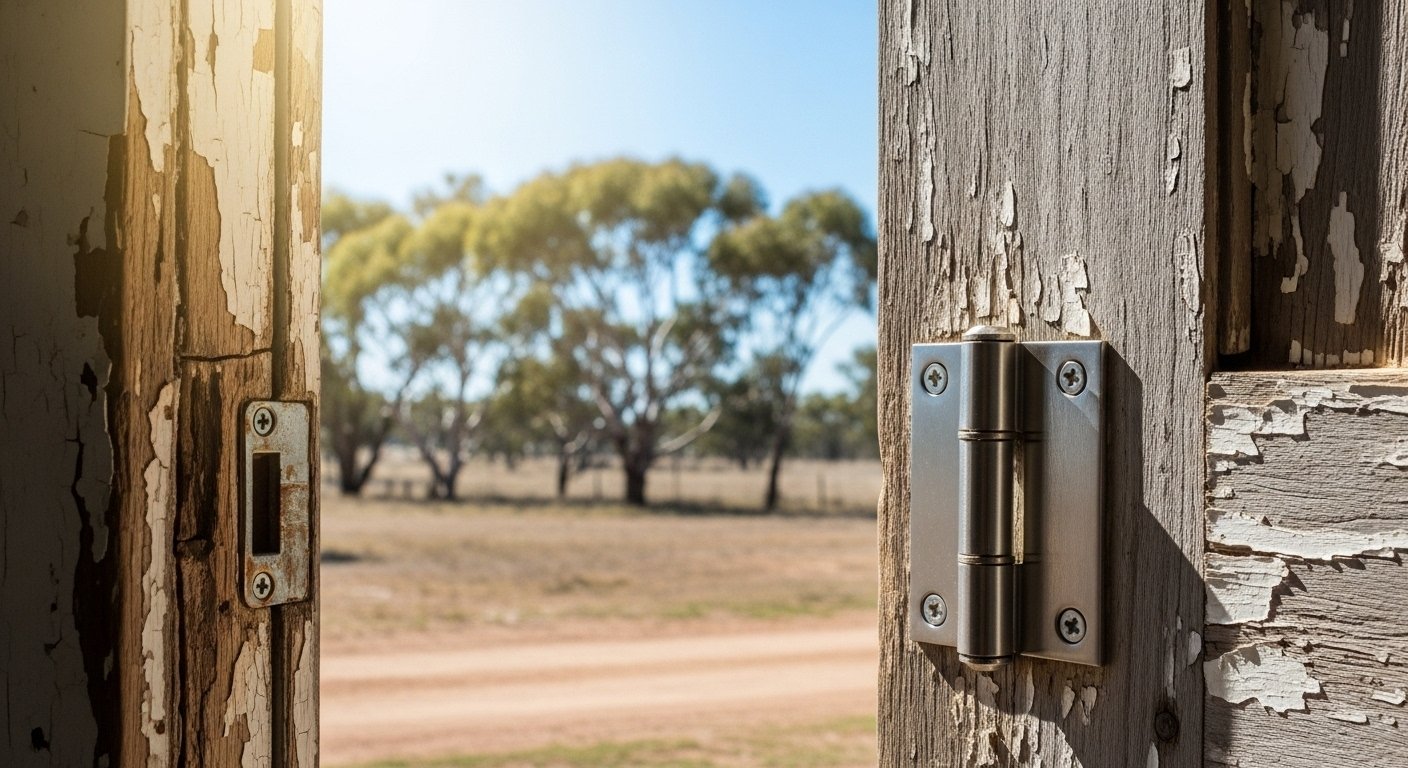
Hinges rarely get much attention. They are small. Quiet. Usually hidden once a door is hung and working.
Until they are not.
A door starts sagging—a gate squeaks. Rust stains creep down a frame. Suddenly, the hinge becomes the problem everyone notices. And in Australia, this moment tends to arrive sooner than people expect.
That is where stainless hinges step into the picture. Not as a luxury. Not as an upgrade. More as a practical response to conditions that are, frankly, unforgiving.
Australia Is Tough on Hardware
It is easy to underestimate how hard Australia is on building materials.
Salt in the air along the coast. High humidity in the north. Dry heat inland. Sudden rain. Long summers. Short winters that still manage to trap moisture.
All of this adds up.
Standard hinges, even decent ones, struggle over time. Protective coatings wear thin. Mild steel corrodes quietly. Movement increases—alignment shifts.
This is why stainless hinges are less about appearance and more about survival.
Not All Stainless Is the Same
Here is where things get slightly technical. But it matters.
Many people assume stainless steel is stainless steel. In reality, grades behave very differently.
In Australian conditions, especially outdoors or near the coast, 316-grade stainless performs noticeably better than 304. It resists corrosion more effectively. It holds its finish longer. It tolerates salt exposure without breaking down as quickly.
This difference is why stainless hinges should never be specified without considering the location. What works indoors in Melbourne might struggle outdoors in Darwin. Or along the NSW coast.
Where Hinges Usually Fail First
Hinges rarely fail all at once. They degrade in stages.
Pins wear. Leaves corrode near fixing points. Screws seize. Movement becomes uneven.
Often, the door itself is still fine. The frame too. It is the hinge that gives up first.
This is where stainless hinges quietly earn their keep. They resist those early failure points. Especially when exposed to moisture or frequent use.
Coastal Builds Learn This Lesson Early
Builders and fabricators working near the coast tend to specify stainless steel from the start. They have seen what happens otherwise.
Salt air travels further than people think. Even properties a few kilometers inland are affected. Hinges rust from the inside out—paint blisters. Fasteners fail.
In these environments, stainless hinges are not an upgrade. They are the baseline.
Commercial Fit-Outs: Feel the Difference Over Time
In commercial spaces, hinges work harder. Doors open hundreds of times a day. Sometimes thousands.
Weight adds pressure. Fire ratings add complexity. Compliance requirements raise the stakes.
Here, stainless hinges offer consistency—smooth movement. Predictable wear. Less maintenance interruption.
And fewer callbacks. Which matters more than most people admit.
Aesthetics Are a Bonus, Not the Point
Yes, stainless looks clean. Sharp. Professional.
But that is not why it lasts.
The real benefit of stainless hinges is structural reliability. They keep doors aligned. They reduce sag. They maintain tolerances longer.
The fact that they also look good is incidental.
Maintenance Still Matters
Stainless steel is not maintenance-free. That myth causes problems.
Salt deposits should be washed off occasionally. Moving parts benefit from inspection. Fasteners still need checking.
But compared to plated or painted alternatives, stainless hinges demand far less attention. And they forgive missed maintenance more gracefully.
That difference shows up over years, not weeks.
Custom Hinges Exist for a Reason
Off-the-shelf hinges suit many applications. Until they do not.
Heavy gates. Oversized doors. Industrial panels. Marine environments.
In these cases, custom stainless hinges allow for proper load distribution, correct pin sizing, and finishes that match the environment.
It costs more upfront. It saves far more later.
Food and Hygiene Environments Have Different Priorities
In food processing, healthcare, and clean environments, corrosion is only part of the issue.
Cleanability matters. Crevices matter. Surface finishes matter.
Here, stainless hinges are chosen for their hygiene performance as much as their durability. Smooth surfaces. Resistance to cleaning chemicals. Predictable wear.
These are details most people never see until an audit asks about them.
Installation Is Where Things Go Right or Wrong
Even the best hinge can fail if installed poorly.
Misalignment. Incorrect fasteners. Over-tightening. Under-supporting the door.
Stainless hinges perform best when paired with proper installation practices. Correct spacing. Appropriate fixings. Consideration for movement and load.
This is where experience shows.
Why Cheap Hinges Rarely Stay Cheap
There is a particular temptation to save money on hardware. Hinges feel minor. Easy to replace.
But replacement involves labour. Downtime. Sometimes damage to frames or doors.
Over time, stainless hinges often cost less simply because they do not need replacing as frequently—or at all.
That is not a dramatic claim—just a practical one.
A Quiet Kind of Reliability
The best hinges are the ones you forget about.
They do their job. They stay aligned. They do not squeak. They do not stain the door below them.
In Australian conditions, stainless hinges offer that quiet reliability more consistently than most alternatives.
Final Thought
Hinges sit at the intersection of movement, weight, and environment. That is a demanding place to exist.
In Australia, where conditions test materials daily, choosing stainless hinges from Concept Fastener is less about over-engineering and more about matching reality.
They are not flashy. They do not ask for attention. They simply last.
And sometimes, lasting quietly is the most impressive performance of all.