
 By Callum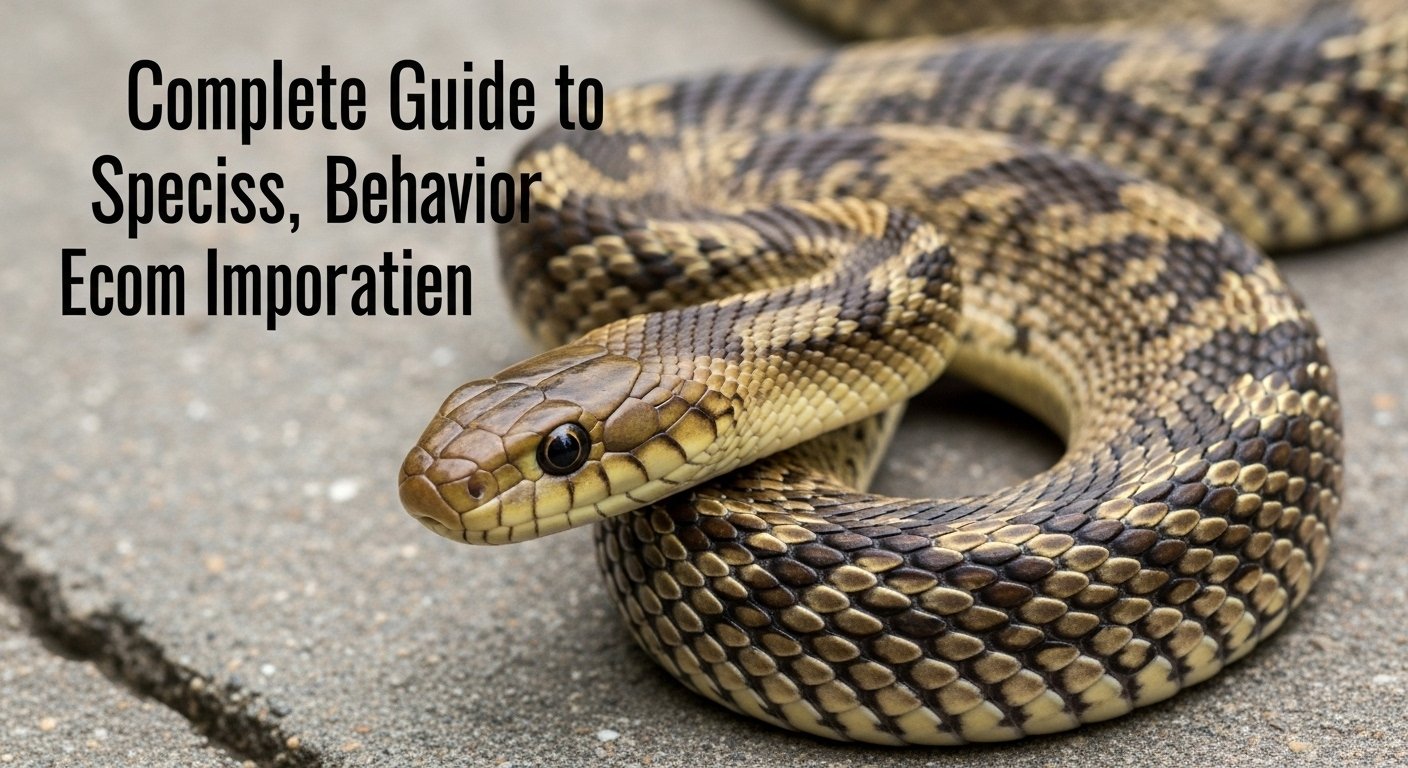
Snake is one of the most fascinating and often misunderstood creatures in the animal kingdom. Found on almost every continent except Antarctica, snakes are a diverse group of reptiles with unique adaptations that allow them to thrive in a wide range of environments. From deserts and forests to freshwater and oceanic habitats, snakes play crucial roles in maintaining ecological balance and inspiring human curiosity for centuries.
This article explores everything you need to know about the snake—its biology, behavior, species diversity, ecological significance, and interaction with humans.
Ultimately, readers will learn why people both fear and revere snakes and why protecting them is essential for keeping ecosystems healthy.
Understanding What a Snake Is
A snake is a legless reptile belonging to the suborder Serpentes. Unlike lizards, snakes have no eyelids or external ears, and their bodies are highly elongated with flexible jaws to swallow prey whole. Their skin is covered with scales, which help reduce water loss and facilitate smooth movement across various surfaces.
The evolutionary success of snakes can be attributed to their adaptability, efficient hunting strategies, and ability to inhabit diverse ecological niches. Over 3,000 species of snakes are currently recognized, ranging from harmless garden snakes to highly venomous species like cobras and vipers.
Anatomy and Physical Characteristics
The anatomy of a snake is highly specialized for its lifestyle:
Skull and Jaw: A snake’s jaw can unhinge, allowing it to consume prey larger than its head.
Skeleton: The elongated vertebral column with hundreds of vertebrae provides flexibility.
Scales: Protective scales vary in texture and pattern, aiding in camouflage and protection.
Sensory Organs: Snakes rely on a combination of vision, smell, and heat-sensing pits to detect prey.
These adaptations make snakes highly efficient predators and survivors in varied environments.
Snake Behavior and Feeding
Snake behavior is often misunderstood. While some species are aggressive, most prefer to avoid humans and predators. Key behavioral traits include:
Hunting: Snakes use constriction, venom, or ambush tactics to capture prey.
Movement: They employ slithering, sidewinding, and concertina movements depending on terrain.
Thermoregulation: Being ectothermic, snakes regulate body temperature by basking in the sun or seeking shade.
Camouflage: Many snakes use coloration to blend into their environment, avoiding predators and ambushing prey.
A snake’s diet can include rodents, birds, amphibians, insects, and other reptiles. Venomous species inject toxins to immobilize prey and begin digestion even before ingestion.
Diversity of Snake Species
The world of snakes is incredibly diverse. Some notable categories include:
Venomous Snakes: Cobras, vipers, mambas, and rattlesnakes. These snakes use venom to hunt and defend themselves.
Non-Venomous Snakes: Pythons, boas, and garter snakes. They kill prey through constriction or swallowing whole.
Aquatic Snakes: Sea snakes and water snakes live in freshwater or marine environments.
Tree-Dwelling Snakes: Some species are arboreal, hunting birds and eggs in trees.
This diversity allows snakes to occupy almost every ecological niche, contributing to the stability of their respective ecosystems.
Ecological Importance of Snakes
A snake is not just a predator—it plays a vital role in ecological balance:
Rodent Control: Snakes help manage rodent populations, protecting crops and reducing disease spread.
Prey for Other Animals: Birds of prey, mammals, and other reptiles often feed on snakes.
Ecosystem Health Indicator: Healthy snake populations reflect a balanced ecosystem.
By controlling pests and serving as prey, snakes contribute to biodiversity and the smooth functioning of ecosystems.
Interaction Between Humans and Snakes
Human-snake interactions are often marked by fear and misunderstanding. While some snake bites are fatal, most snakes are non-aggressive. Education and awareness are key to coexisting safely:
Safety Measures: Avoiding snake habitats, wearing protective clothing, and not handling wild snakes reduce risks.
Cultural Significance: In many cultures, snakes are symbols of fertility, rebirth, or protection.
Conservation Awareness: Protecting snake habitats ensures ecological balance and prevents human-wildlife conflicts.
Misconceptions often lead to unnecessary killing of snakes, impacting local ecosystems.
Venom and Snakebite Management
Venomous snakes inject toxins that can be neurotoxic, hemotoxic, or cytotoxic. Snakebite management is crucial in areas where venomous snakes are common:
Antivenom: The primary treatment for venomous bites.
First Aid: Keeping the patient calm, immobilizing the bitten limb, and seeking immediate medical care.
Prevention: Education, wearing boots in snake-prone areas, and avoiding disturbing snakes in the wild.
Understanding snakes and their venom helps reduce fatalities and encourages safe coexistence.
Reproduction and Life Cycle
Snakes exhibit various reproductive strategies:
Oviparous Species: Lay eggs that hatch externally. Examples include many pythons and colubrids.
Viviparous Species: Give birth to live young. Examples include some vipers and garter snakes.
Parental Care: While most snakes do not care for their young, some species, like pythons, protect eggs until hatching.
Reproductive strategies affect population growth, survival rates, and conservation needs.
Conservation and Threats
Despite their adaptability, many snakes face threats due to human activity:
Habitat Destruction: Deforestation, urbanization, and agriculture reduce snake habitats.
Pollution: Pesticides and chemicals affect snake health and prey availability.
Hunting: Some snakes are killed for skins, traditional medicine, or fear.
Climate Change: Alters habitats and prey availability, impacting survival.
Conservation efforts focus on habitat protection, legal safeguards, and public education to maintain healthy snake populations.
Fun Facts About Snakes
Snakes can go weeks or months without food due to slow metabolism.
Some snakes, like the flying snake, can glide between trees.
The King Cobra can grow up to 18 feet, making it the longest venomous snake.
Snakes use their tongues to “smell” by collecting chemical particles in the air.
Certain snakes give birth to dozens of young at once, while others produce just a few.
Conclusion
The snake is an extraordinary creature, balancing fear, fascination, and ecological importance.
Its unique adaptations, species diversity, and crucial role in ecosystems establish snakes as an integral part of the natural world. By understanding, respecting, and safeguarding them, humans can support healthy ecosystems while appreciating these remarkable reptiles for their extraordinary qualities.