
 By Callum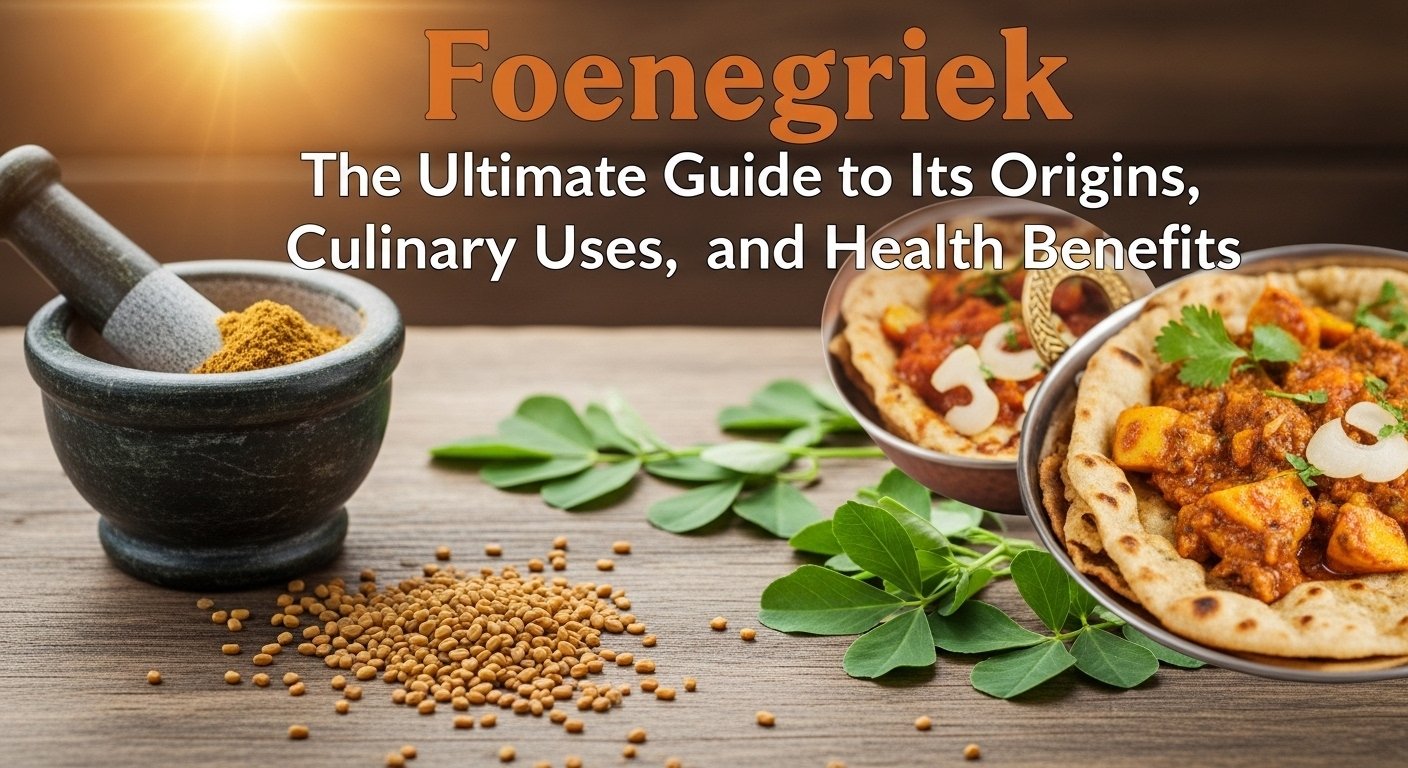
People have relied on specific plants and spices for thousands of years to flavor their food and heal their bodies. Among the most versatile and historically rich of these plants is foenegriek. While you might know it by its English name, fenugreek, the exact term “foenegriek” carries a deep resonance in Dutch and Afrikaans culinary and herbal traditions. This distinct herb bridges the gap between a robust culinary spice and a powerful medicinal plant.
This small, leafy green plant produces golden-brown seeds that pack a remarkably pungent aroma. When you encounter it for the first time, the scent might remind you of maple syrup or burnt sugar. However, its flavor profile is complex, offering a gentle bitterness that transforms into a deep, savory sweetness when cooked. We will explore the fascinating journey of foenegriek, from its ancient origins to its essential role in modern kitchens, its impressive health benefits, and its enduring cultural significance around the world.
The Ancient Origins of Foenegriek
To understand the value of foenegriek, we must look back thousands of years. Botanically known as Trigonella foenum-graecum, the plant belongs to the Fabaceae family, making it a close relative of beans, peas, and soy. The scientific name translates to “Greek hay,” a nod to its early use by the ancient Greeks and Romans who mixed the plant into cattle fodder to improve their animals’ health and digestion.
However, the story begins much earlier than the Roman Empire. Archaeologists have discovered foenegriek seeds in the tomb of Tutankhamun, and records show that the ancient Egyptians held the plant in high regard. They used it as an essential ingredient in the mummification process, believing its strong, enduring scent had purifying properties. The Egyptians also burned the seeds as incense during religious ceremonies and consumed them to lower fevers and soothe stomach ailments.
Read: Burrata
From the Mediterranean basin, the plant spread rapidly along ancient trade routes. Traders carried the seeds across the Middle East, reaching the Indian subcontinent and eventually China. In each new region, local populations quickly recognized the value of the plant. They began cultivating it in their own soils, adapting it to their climates. Because foenegriek thrives in well-drained soil and requires plenty of sunlight, it flourished in the warm climates of South Asia, North Africa, and the Middle East. Today, India stands as the largest producer of the spice in the world, cultivating vast fields of the bright green plant to satisfy both domestic demand and global export markets.
Transforming Dishes: Foenegriek in the Kitchen
The true magic of foenegriek happens in the kitchen. Chefs and home cooks use three distinct parts of the plant: the seeds, the fresh leaves, and the dried leaves. Each form brings a completely different character to a dish.
The seeds are the most common form found in spice cabinets. Raw seeds carry a sharp, bitter taste that can easily overpower a meal if used incorrectly. The secret to unlocking their potential lies in the application of heat. Dry roasting the seeds in a hot pan for a minute or two alters their chemical structure. The bitterness fades, replaced by a warm, nutty flavor with distinct notes of caramel and maple. After roasting, cooks often grind the seeds into a fine powder. This powder acts as a foundational ingredient in many traditional spice blends, including Indian curry powders, Sri Lankan roasted curry mixtures, and the fiery Ethiopian spice paste known as berbere.
Fresh foenegriek leaves, often referred to as methi, serve as a nutritious green vegetable. Cooks fold these slightly bitter, aromatic leaves into flatbreads like parathas or simmer them alongside potatoes in the classic Indian dish, Aloo Methi. The fresh leaves provide a vibrant, earthy flavor that cuts through rich sauces and starchy vegetables.
Dried leaves, known as kasuri methi, offer an entirely different culinary experience. Drying concentrates the essential oils within the leaves, creating an incredibly potent aroma. Cooks typically crush a small pinch of these dried leaves between their palms and sprinkle them over rich curries, such as Butter Chicken or dal makhani, just before serving. This final touch adds an intoxicating fragrance and a layer of savory depth that defines restaurant-quality Indian cuisine.
Beyond South Asia, foenegriek plays a starring role in many global dishes. In Persian cooking, it is a non-negotiable ingredient in Ghormeh Sabzi, a celebrated herbaceous meat stew. The spice gives the stew its signature sharp, tangy, and deeply earthy flavor. In Turkey, butchers use a paste containing the crushed seeds to coat pastirma, a highly seasoned, air-dried cured beef. Even commercial food manufacturers rely on the extract to create artificial maple syrup flavoring, taking advantage of the natural chemical compound sotolon found within the seeds.
A Powerhouse of Health Benefits
For centuries, traditional healers prescribed foenegriek to treat a wide variety of ailments. Modern science has begun to catch up with these ancient practices, conducting studies that reveal the plant’s impressive nutritional profile and medicinal properties.
One of the most well-documented benefits involves blood sugar regulation. The seeds contain high amounts of soluble fiber, specifically galactomannan. This fiber slows down the digestion and absorption of carbohydrates in the gastrointestinal tract. As a result, it helps prevent rapid spikes in blood glucose levels after a meal. Many people managing type 2 diabetes or insulin resistance incorporate the seeds into their daily routine, often by soaking them in water overnight and drinking the nutrient-rich water the next morning.
The plant also serves as a famous natural galactagogue, meaning it helps stimulate breast milk production in nursing mothers. Midwives and lactation consultants frequently recommend foenegriek supplements or teas to women struggling with low milk supply. The exact mechanism remains a topic of scientific study, but researchers believe the plant’s phytoestrogens—plant-based chemicals similar to the hormone estrogen—play a crucial role in stimulating the milk ducts.
Digestive health represents another area where the spice excels. The high mucilage content in the seeds creates a soothing, gel-like coating along the stomach and intestinal lining. This protective layer can provide significant relief for individuals suffering from heartburn, acid reflux, and stomach ulcers. Furthermore, the fiber content promotes regular bowel movements, making it an effective, gentle remedy for constipation.
Recent studies have also explored the plant’s impact on cholesterol levels. The steroidal saponins found in the seeds help inhibit the absorption of cholesterol in the intestines and reduce the liver’s production of cholesterol. Regular consumption may lead to lower levels of LDL (bad) cholesterol and triglycerides, thereby supporting overall cardiovascular health.
Additionally, foenegriek shows promise in managing inflammation and skin conditions. Traditional poultices made from the ground seeds and warm water have long been applied directly to the skin to treat burns, eczema, and localized swelling. The natural anti-inflammatory compounds help soothe irritation and accelerate the healing process.
Deep Cultural Significance
The enduring presence of foenegriek across different civilizations speaks to its profound cultural significance. It is not just a commodity; it is deeply woven into the spiritual, medicinal, and celebratory traditions of multiple societies.
In the ancient Indian holistic healing system of Ayurveda, practitioners view foenegriek as a warming spice. They use it to balance the Kapha and Vata doshas. Ayurvedic texts praise the seed for its ability to clear stagnation, improve digestion, and warm the body during cold, damp seasons. It serves as a foundational herb in hundreds of traditional remedies passed down through generations.
Traditional Chinese Medicine (TCM) also holds the plant in high esteem. Known as Hu Lu Ba, TCM practitioners use the seeds to warm the kidneys, dispel damp-cold conditions, and alleviate pain in the lower body. They often prescribe it for issues related to poor circulation, hernia pain, and reproductive health challenges.
The plant also makes appearances in religious observances. During the Jewish New Year, Rosh Hashanah, some communities include foenegriek on the holiday table as part of the “simanim” (symbolic foods). The Hebrew word for the plant, rubia, sounds similar to the word for “increase.” Therefore, people eat it while reciting a blessing that asks for their merits to increase in the coming year.
In parts of North Africa and the Middle East, a traditional paste made from the seeds called “hilba” is served alongside daily meals. In Yemen, families whip fenugreek powder with water until it forms a frothy, airy condiment. They mix this froth with green chilies, cilantro, and garlic to create zhug, a spicy relish essential to their culinary identity. This practice highlights how deeply embedded the flavor is in the daily lives and cultural identity of these communities.
Embracing the Golden Seed
Foenegriek stands as a testament to the enduring relationship between humans and the natural world. From its origins in ancient Egyptian tombs to its central role in modern kitchens and medicine cabinets, this remarkable plant offers something for everyone. Its complex flavor profile elevates ordinary meals into extraordinary culinary experiences, while its rich nutritional composition provides natural support for digestion, blood sugar management, and overall wellness.
Whether you decide to sprinkle a pinch of dried leaves over your next homemade curry, steep the seeds in hot water for a soothing herbal tea, or simply admire the rich history behind the spice, foenegriek deserves a prominent place in your pantry. By incorporating this ancient botanical into your life, you connect with a vibrant, flavorful tradition that has sustained and healed people for thousands of years.