
 By Callum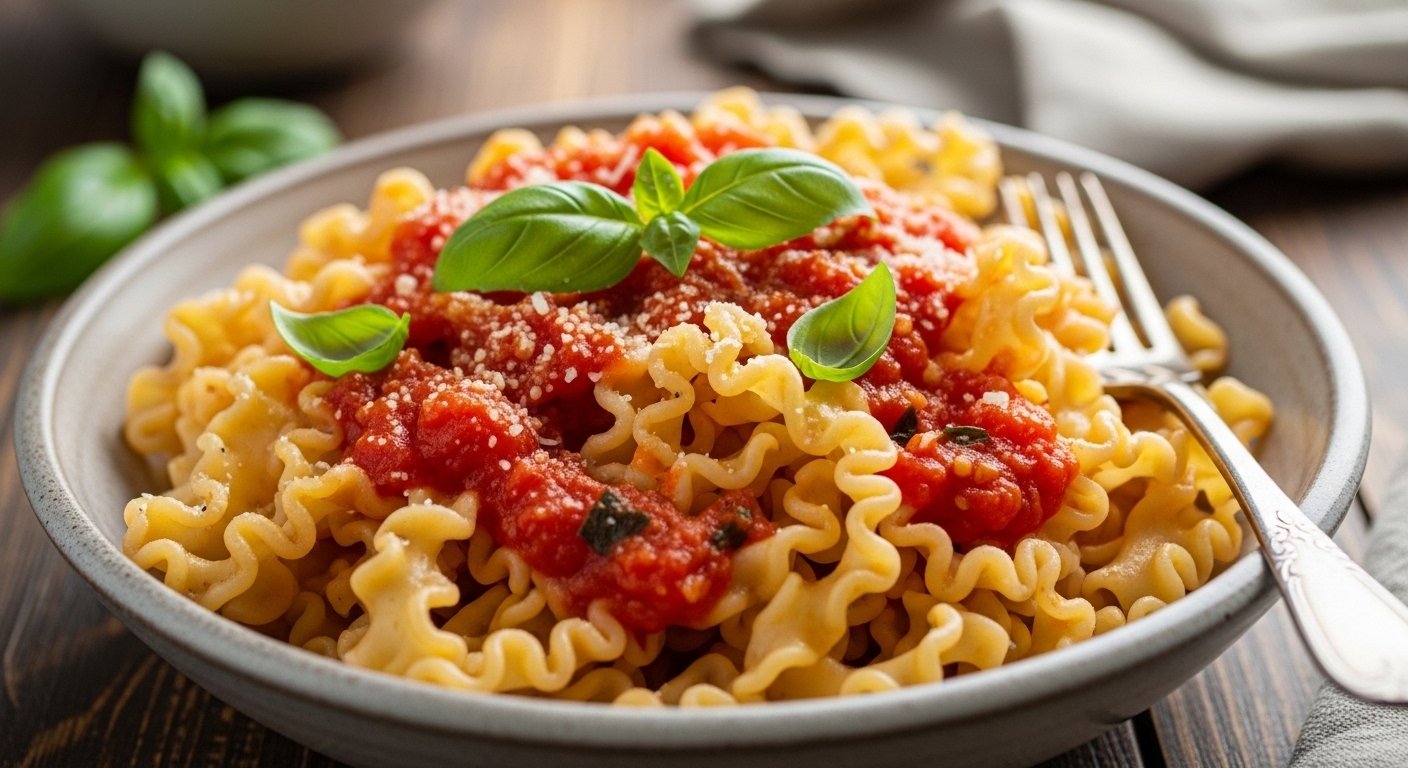
If you wander down the pasta aisle of a well-stocked Italian grocer, past the familiar boxes of spaghetti and penne, you might spot something uniquely beautiful. You will see long, flat ribbons with intricately ruffled edges resembling the lace of a royal gown. This stunning shape is mafaldine. It stands as a testament to the artistry of Italian pasta making, combining visual elegance with practical culinary engineering.
For home cooks and food enthusiasts looking to step outside their comfort zone, understanding this specific pasta opens up entirely new possibilities in the kitchen. The ruffled edges do much more than look pretty on a plate. They serve a distinct structural purpose, transforming how sauces interact with the noodle.
Let us explore the fascinating history, the specific culinary mechanics, and the most delicious ways to prepare this remarkable ingredient.
The Royal Origins
Pasta shapes often carry names based on what they resemble—penne for pens, farfalle for butterflies, and orecchiette for little ears. However, mafaldine carries a name steeped in 20th-century Italian royal history.
Originally created in Naples, this pasta was initially known simply as “manfredine” or “fettuccelle ricche” (rich fettuccelle). However, in 1902, the master pasta makers of Naples decided to rename their beautiful ruffled creation. They dedicated it to Princess Mafalda of Savoy, the second daughter of King Victor Emmanuel III of Italy, to celebrate her birth.
You Might Also Like: Yalla Choy
Because of this dedication, you will sometimes see the pasta labeled as “reginette,” which translates directly to “little queens.” The delicate, wavy edges of the pasta were said to represent the ruffled lace borders of the luxurious dresses worn by the princess and the royal family.
Princess Mafalda’s life ultimately ended in tragedy during World War II, but her namesake pasta remains a beloved staple in Campania and across Italy. It serves as a culinary monument to Neapolitan craftsmanship and the deep connection between Italian food and local history.
The Anatomy of the Noodle
To understand why you should cook with this pasta, you must first understand its unique physical characteristics. Mafaldine belongs to the family of ribbon pastas, similar to fettuccine or pappardelle, but its wavy edges set it apart entirely.
When you boil standard flat noodles, they sometimes clump together if not stirred constantly. Furthermore, flat noodles rely entirely on the surface tension of the sauce to adhere to the pasta. Mafaldine changes the equation.
More importantly, the ruffled borders act as microscopic scoops. As you toss the pasta in a pan, the waves capture and hold onto tiny pockets of sauce, grated cheese, and small bits of meat or vegetables. This means every forkful delivers a perfect ratio of pasta to sauce.
Best Culinary Uses and Sauce Pairings
Because of its Neapolitan heritage, this pasta pairs beautifully with the traditional sauces of southern Italy. However, its brilliant structural design makes it incredibly versatile.
Rich Meat Ragùs
In Naples, the ultimate pairing for this pasta is the legendary Neapolitan ragù. Unlike the ground-meat Bolognese of the north, Neapolitan ragù features large chunks of beef and pork simmered slowly in a rich tomato sauce for hours. The meat is often served as a second course, while the thick, brick-red tomato sauce coats the pasta for the first course. The ruffled edges grab onto the thick, reduced tomato sauce perfectly.
Cream and Butter Sauces
While southern Italians heavily favor tomato-based sauces, northern-style cream sauces work remarkably well here. A decadent sauce made of heavy cream, parmesan, and earthy mushrooms finds a perfect home among the ribbons. The wide surface area of the noodle allows the cream to coat it evenly, while the ruffles trap the savory bits of sautéed mushroom and herbs.
Seafood and Lighter Fares
Do not shy away from pairing these ribbons with seafood. A vibrant sauce of white wine, garlic, cherry tomatoes, and shrimp or clams creates a beautiful contrast. The delicate nature of the ruffled edges mimics the gentle textures of seafood, creating an elegant dish perfect for a summer evening.
How to Cook It Perfectly
Cooking this pasta requires slightly more attention than a standard box of spaghetti. Due to its wide, flat shape and long length, you need a large pot with plenty of rapidly boiling, heavily salted water.
- Use a large pot: Give the ribbons plenty of room to swim. If cramped, the long strips will stick together.
- Salt the water: The water should taste like the sea. This seasons the pasta from the inside out.
- Do not break the pasta: Leave the strands intact. Push them gently into the water as they soften.
- Stir frequently in the beginning: During the first two minutes of cooking, give the pot a few gentle stirs with tongs to ensure the ribbons remain separate.
- Cook to al dente: Check the package instructions, but always taste a piece two minutes before the suggested time. You want the flat center to retain a firm bite.
- Save the pasta water: Before draining, scoop out a cup of the starchy cooking water. This liquid is essential for binding your sauce to the pasta.
Essential Recipes for the Home Cook
Ready to bring this royal pasta into your kitchen? Here are two exceptional recipes that highlight exactly what makes this shape so special.
Recipe 1: Classic Neapolitan-Style Sausage and Ricotta Mafaldine
This recipe pays homage to the pasta’s southern Italian roots, combining a robust tomato sauce with the creamy, cooling contrast of fresh ricotta cheese.
Ingredients:
- 1 pound dry mafaldine
- 1 pound high-quality Italian sausage (casings removed)
- 1 medium yellow onion, finely diced
- 3 cloves garlic, minced
- 1/2 cup dry red wine
- 1 large can (28 oz) crushed San Marzano tomatoes
- 1 cup whole milk ricotta cheese
- 1/2 cup grated Pecorino Romano
- Fresh basil leaves
- Olive oil
- Salt and black pepper
Instructions:
- Heat a large heavy-bottomed pan or Dutch oven over medium-high heat. Add a splash of olive oil and the sausage meat. Break the meat apart with a wooden spoon and cook until deeply browned.
- Lower the heat to medium. Add the diced onion and cook until soft and translucent, about 5 minutes. Add the minced garlic and cook for one more minute until fragrant.
- Pour in the red wine to deglaze the pan, scraping up any browned bits from the bottom. Let the wine reduce by half.
- Pour in the crushed tomatoes. Season generously with salt and black pepper. Bring the sauce to a gentle simmer, partially cover the pot, and let it cook for 30 to 40 minutes so the flavors meld and the sauce thickens.
- While the sauce simmers, boil a large pot of salted water. Drop the pasta and cook until perfectly al dente.
- Drain the pasta, reserving one cup of the starchy water.
- Transfer the hot pasta directly into the pan with the tomato and sausage sauce. Toss vigorously. If the sauce seems too thick, add a splash of the reserved pasta water to loosen it up and help it cling to the ruffled edges.
- Remove the pan from the heat. Stir in the Pecorino Romano and a handful of torn fresh basil.
- To serve, plate the pasta and add a large spoonful of cold, fresh ricotta cheese right on top of each portion. The diner mixes the cool ricotta into the hot pasta, creating a beautifully creamy, rich tomato sauce on the plate.
Recipe 2: Elegant Brown Butter, Mushroom, and Sage Mafaldine
For a faster, more autumnal approach, this recipe focuses on rich, nutty flavors. The ruffled edges grab onto the crispy sage leaves and the savory mushrooms, creating a highly textured and intensely flavorful dish.
Ingredients:
- 1 pound dry mafaldine
- 1 pound mixed wild mushrooms (cremini, shiitake, oyster), sliced
- 1 stick (8 tablespoons) unsalted butter
- 2 cloves garlic, smashed but kept whole
- 1 bunch fresh sage leaves
- 1/2 cup grated Parmigiano-Reggiano
- 1 tablespoon lemon juice
- Salt and black pepper
Instructions:
- Bring a large pot of salted water to a boil.
- In a large skillet, melt two tablespoons of butter over medium-high heat. Add the sliced mushrooms in a single layer. Do not stir them immediately; let them sit and develop a deep brown crust. After a few minutes, toss the mushrooms and cook until all their moisture has evaporated and they are beautifully caramelized. Season with salt and remove them from the pan.
- Drop your pasta into the boiling water.
- In the same skillet used for the mushrooms, lower the heat to medium. Add the remaining six tablespoons of butter. Allow the butter to melt and begin to foam.
- Add the smashed garlic cloves and the fresh sage leaves to the foaming butter. Swirl the pan continuously. The butter will begin to smell nutty, and the milk solids will turn a deep golden brown. The sage leaves will become crispy.
- As soon as the butter is perfectly browned (be careful not to burn it), remove the garlic cloves and discard them. Take the pan off the heat and stir in the lemon juice to stop the cooking process and add a touch of brightness.
- Return the cooked mushrooms to the brown butter sauce.
- When the pasta is al dente, use tongs to transfer it directly from the boiling water into the skillet. The starchy water clinging to the noodles will help emulsify the brown butter into a luscious sauce.
- Toss the pasta vigorously in the skillet over low heat. Add a splash of pasta water and the grated Parmigiano-Reggiano. Toss until the cheese melts and the sauce turns creamy, coating every single ruffle.
- Serve immediately with extra black pepper and a final dusting of cheese.
Bringing It All Together
Exploring new pasta shapes makes weeknight dinners feel special and weekend dinner parties feel spectacular. Mafaldine offers the perfect entry point into the wider world of regional Italian pasta. It provides the satisfying, comforting chew of a traditional wide ribbon, upgraded with an architectural twist that holds sauces beautifully.
The next time you plan to make a rich ragù or a delicate brown butter sauce, leave the standard boxes on the grocery store shelf.