
 By Callum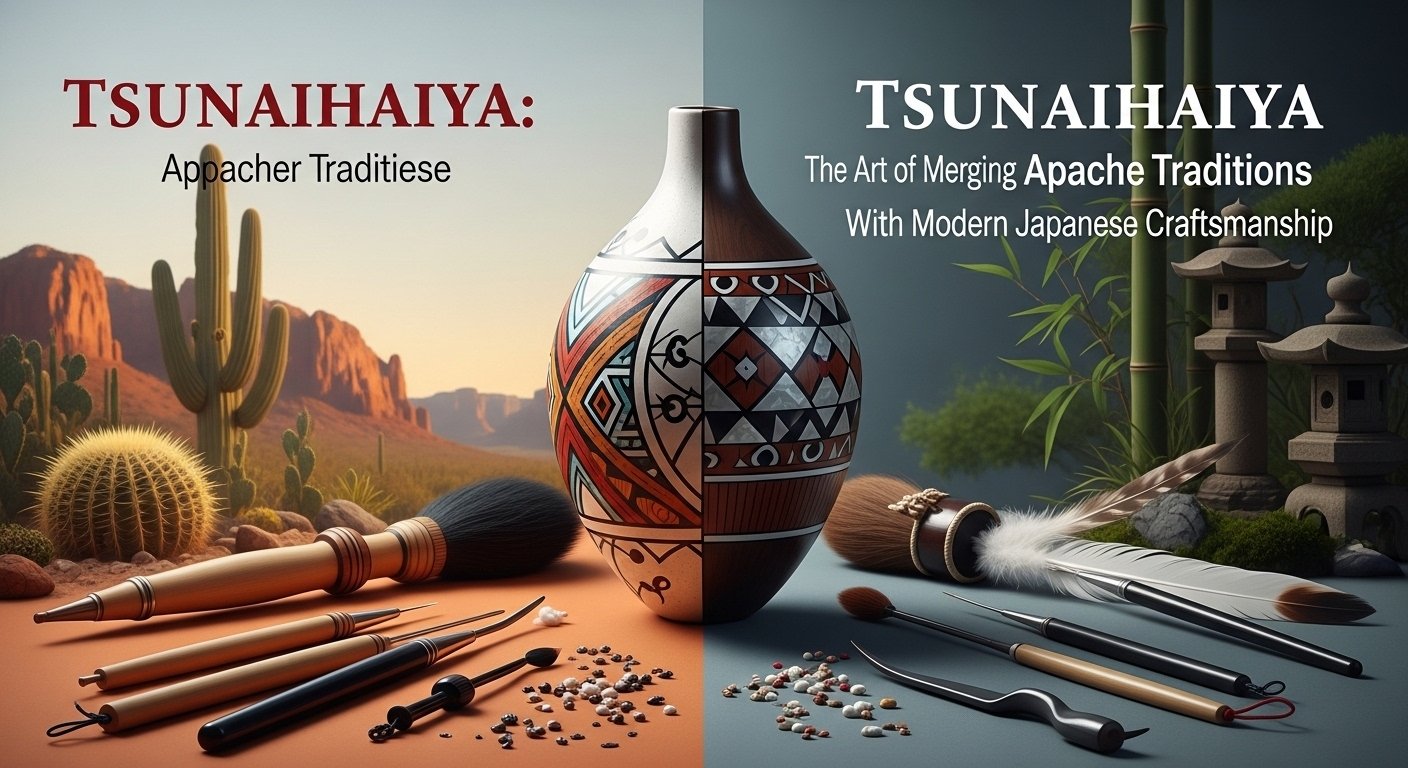
When you look closely at a piece of meticulously crafted silver jewelry, you are often looking at a story. It is a narrative told through deep stamp work, the texture of cast metal, and the heavy, substantial feel of raw materials transformed by human hands. Among the most fascinating stories in modern silversmithing is that of tsunaihaiya, a discipline and brand that bridges two seemingly disparate worlds: traditional Native American jewelry making and uncompromising Japanese craftsmanship.Sylveer: A Name Shaping Art, Identity, and Innovation
To understand the weight and significance of this craft, we must look beyond the silver itself. We have to explore the cultural exchange that birthed it, the ancient techniques utilized to create it, and the unyielding dedication required to master it. For enthusiasts of fine, handcrafted jewelry, tsunaihaiya represents an evolution of wearable art—a perfect balance between rough, natural elements and refined, exacting execution.
The Origins of Tsunaihaiya
The story of tsunaihaiya is fundamentally one of respect, travel, and cultural immersion. The term itself carries deep roots, originating from the Apache language, where “Tsunai Haiya” translates to a warm greeting, akin to “Good morning.” This choice of name is not merely aesthetic; it is a profound nod to the origins of the techniques used to create the jewelry.
A Cross-Cultural Journey
The genesis of this unique style can be traced to Yusuke Kuwano, a Japanese silversmith who left his homeland to study traditional techniques directly from Native American masters in the United States. Kuwano immersed himself in the culture, studying under the renowned San Carlos Apache silversmith Craig Agoodie. Under Agoodie’s mentorship, Kuwano learned the rigorous, demanding methods of traditional metalwork that have been passed down through generations.
By adopting the name tsunaihaiya, Kuwano pays perpetual homage to his mentor and the Apache people. He honors the heritage that welcomed him, taught him, and ultimately shaped his artistic vision. This cross-cultural journey is embedded in every piece of jewelry produced under the name.
The Meeting of Two Philosophies
Native American silversmithing often focuses on a deep connection to the earth. The materials—silver, turquoise, coral—are viewed as gifts from nature, and the jewelry often reflects the rugged beauty of the Southwestern landscape. Japanese craftsmanship is globally revered for the shokunin spirit—a relentless pursuit of perfection, attention to microscopic details, and a deep devotion to one’s craft.”
When these two philosophies merge within tsunaihaiya, the result is extraordinary. You get the soulful, organic feel of a traditional Apache bracelet or ring, executed with the structural precision of a master Japanese artisan.
The Mastery of Materials and Techniques
What separates true artisan jewelry from mass-produced accessories is the methodology behind its creation. The creators of tsunaihaiya rely on techniques that require immense physical strength, patience, and a deep understanding of metallurgy.
Tufa Casting: An Ancient Approach
One of the cornerstone techniques defining this style of jewelry is tufa casting. Tufa is a porous, volcanic ash stone found in the American Southwest. For centuries, Native American silversmiths have used this stone to create molds for their jewelry.
The process is incredibly labor-intensive. The artisan must cut two blocks of tufa stone and grind them until they are perfectly flat and flush against one another. Using specialized carving tools, the artist carves a negative design directly into one of the stones. A sprue hole is carved at the top to allow molten silver to flow into the mold.
Once the stones are bound together tightly, the artisan melts high-grade silver in a crucible until it reaches a liquid state. The molten metal is poured swiftly into the tufa mold. When the silver cools and the stones are separated, the newly cast piece retains the distinct, porous texture of the volcanic stone. Because the tufa mold often degrades or breaks after a single use, many tufa-cast pieces are entirely one-of-a-kind. This technique gives tsunaihaiya pieces an earthy, ancient texture that cannot be replicated by modern machines.
Heavy Gauge Silver and Precision Stamping
Another hallmark of tsunaihaiya is the use of heavy gauge silver. Unlike commercial jewelry, which is often made thin to save on material costs, these pieces are substantial. They carry a physical weight that grounds the wearer.
Working with thick silver requires exceptional skill, particularly when it comes to stamping. Traditional stamp work involves using handmade steel stamps and a heavy hammer to indent designs into the silver. When the silver is thick, the artisan must strike the stamp with incredible force to leave a deep, crisp impression. However, they must also strike with perfect precision so the tool does not slip and ruin the design.
The stamp work found in tsunaihaiya pieces is deeply textured and mathematically precise. The geometric patterns catch the light, creating deep shadows within the silver that highlight the complexity of the design.
The Aesthetic of Tsunaihaiya Jewelry
The visual identity of this jewelry is distinct. It does not try to be delicate or overtly flashy. Instead, it commands attention through its raw presence and masterful execution.
Balancing Roughness and Refinement
A core aesthetic principle of tsunaihaiya is the deliberate contrast between the rough, natural world and refined human artistry. You might find a heavy silver cuff bracelet where the interior is polished to a flawless, mirror-like shine, ensuring absolute comfort against the skin. Yet, the exterior may feature the rugged, sandy texture of a tufa cast, accented by deep, oxidized stamp work.
This balance makes the jewelry incredibly versatile. It feels just as appropriate worn with a tailored suit as it does with a worn-in denim jacket. It bridges the gap between rugged Americana and sophisticated, contemporary fashion.
Signature Motifs and Symbolism
The motifs used in these creations often draw heavily from nature and traditional Native American symbolism, reinterpreted through a modern lens.
- The Snake Motif: Snakes are a common element in traditional Southwestern jewelry, often symbolizing rebirth, healing, and transformation due to the shedding of their skin. In tsunaihaiya designs, snake motifs are often rendered with striking realism and fluidity, and are organically wrapped around fingers or wrists.
- Geometric Patterns: Heavy stamp work often features repeating geometric patterns that evoke the landscape of the Southwest—mountains, rain clouds, and sun rays.
- High-Grade Stones: When stones are used, they are carefully selected for their character. High-grade, natural turquoise with complex spiderweb matrix patterns is often set in heavy silver bezels, framing the stone like a piece of fine art.
Why Enthusiasts Seek Out These Pieces
In an era dominated by fast fashion and computer-aided design (CAD), the demand for authentic, handcrafted items has never been higher. Collectors and enthusiasts of fine metalwork are drawn to tsunaihaiya for several compelling reasons.
Wearable Art vs. Mass Production
Every piece of jewelry made under this discipline tells the story of the hands that made it. You can see the slight variations in the stamp work, the unique texture of the casting, and the intentional placement of the stones. These are not flaws; they are the hallmarks of human touch. For enthusiasts, wearing a piece of tsunaihaiya is akin to wearing a small sculpture. It is a rebellion against the sterile, uniform nature of factory-made goods.
The Evolution of Modern Silversmithing
Art forms must evolve to survive. By taking traditional Apache techniques and applying Japanese standards of precision, this craft pushes the boundaries of what is possible in silversmithing. It proves that honoring tradition does not mean staying frozen in time. You can respect the old ways while creating something entirely fresh and relevant to the modern wearer.
This evolution is what keeps the craft alive. It introduces ancient techniques to a global audience, fostering a deeper appreciation for the skill and history involved in Native American metalwork.
The Enduring Legacy of the Craft
The creation of fine jewelry is a slow, methodical process. It requires the artisan to be present in the moment, reacting to the metal, the heat, and the tools in their hands.The story of tsunaihaiya reflects the powerful results of embracing craftsmanship with humility, curiosity, and deep respect for tradition.
By bridging the geographical and cultural divide between the American Southwest and Japan, this unique discipline has created a new standard for artisan jewelry. It invites us to look closer at the objects we choose to wear. It challenges us to appreciate the weight of heavy silver, the history etched into tufa stone, and the quiet dedication of the artisan working at their bench.
Ultimately, tsunaihaiya is more than a name or a style; it is a philosophy. It reminds us that true craftsmanship transcends language and borders, leaving behind objects of enduring beauty that will be cherished for generations to come.