
 By Callum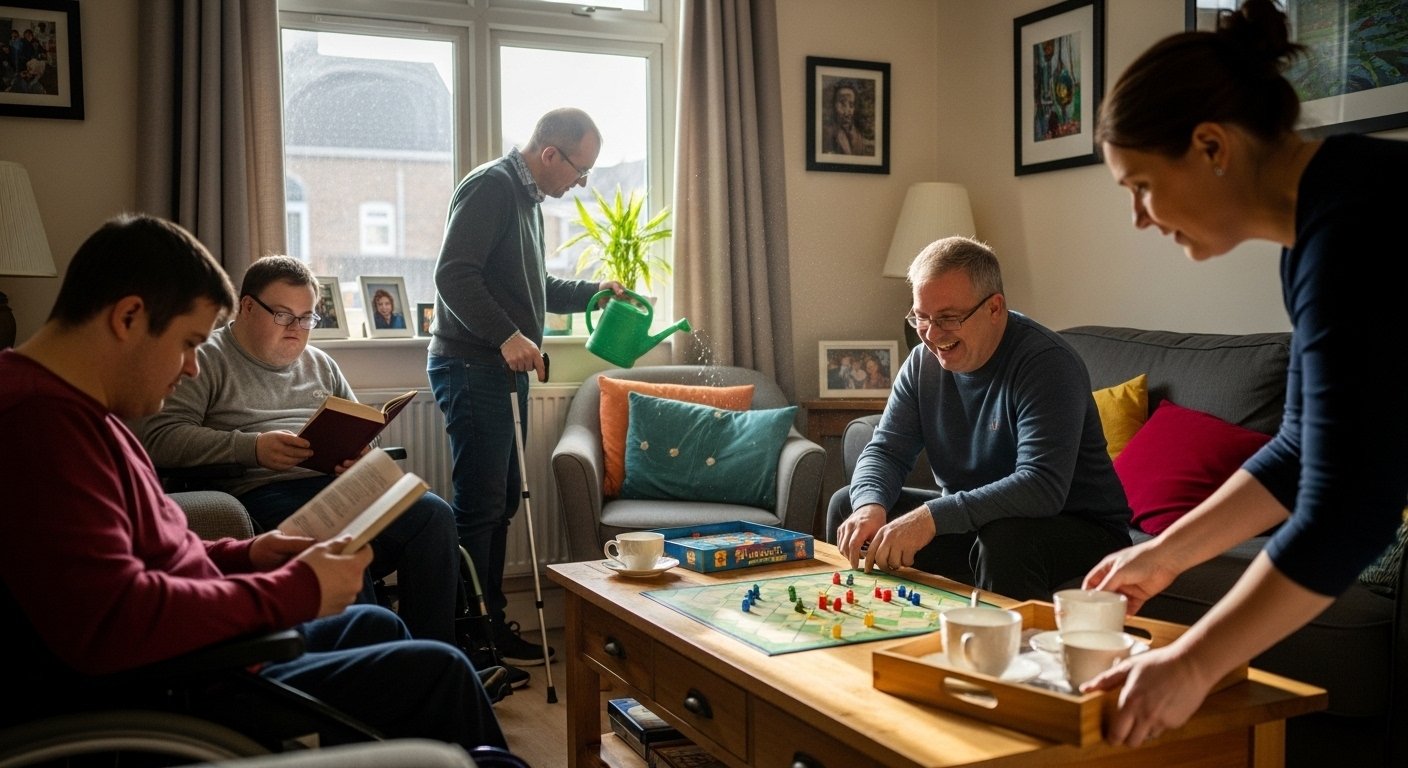
There’s a strange thing about good support. When it’s done properly, it doesn’t draw attention to itself. It doesn’t announce success. It just blends into daily life.
That’s often the clearest sign that SIL in Housing is working.
Not perfection. Not constant progress charts. Just a house that feels settled, predictable in a good way, and calm more often than not.
This blog isn’t about funding rules or eligibility. It’s about the quieter indicators. The ones families and participants notice before anyone else does.
The House Stops Feeling “New” Fairly Quickly
At the beginning, everything feels sharp. New routines. New faces. New expectations. Even small things feel bigger than they should.
Then, slowly, the house starts to feel familiar.
When SIL in Housing is set up well, that shift happens without being forced. People know where things go. They understand the rhythm of the day. They stop asking questions about every little step.
Familiarity doesn’t mean boredom. It means safety.
Support Fades Into The Background, Not Away
One common fear is that support will either disappear or take over completely.
Neither is ideal.
In strong SIL in Housing arrangements, support becomes quieter over time. Not absent, just less noticeable. Prompts become lighter. Assistance becomes more collaborative. Independence shows up in small decisions, not grand gestures.
You don’t wake up one day and feel “fully independent.” You just realise you’re doing more without thinking about it.
Housemates Feel Manageable, Even On Hard Days
Shared living is rarely perfect. People have moods. Noise levels change. Bad days still happen.
What matters is how those moments are handled.
When SIL in Housing is working, tension doesn’t spiral. Support workers step in early. Boundaries are respected. Everyone understands that discomfort isn’t the same as danger.
The house doesn’t have to be happy all the time. It just has to feel steady.
Routines Feel Flexible, Not Rigid
Structure is part of SIL support. But structure should serve the person, not trap them.
In well-functioning SIL in Housing, routines adjust. Mealtimes shift slightly. Activities change based on energy. Support adapts instead of insisting.
People feel allowed to say, “Not today,” without everything falling apart. That sense of choice builds trust faster than any formal plan review.
Families Worry Less, Even If They Still Worry
Families rarely stop worrying completely. That’s normal.
But when SIL in Housing is going well, the worry changes shape. It becomes quieter. Less urgent. More about the future than the present.
Families notice that calls aren’t about problems anymore. They’re about everyday things. What someone cooked. A new hobby. A small achievement.
That shift says a lot.
Support Workers Feel Consistent, Not Constantly Changing
High turnover unsettles houses quickly. New faces mean new styles, new interpretations, new expectations.
Stable SIL in Housing setups usually have a core group of workers who know the participants well. They understand preferences without being reminded. They notice changes early.
Consistency doesn’t mean stagnation. It means relationships have time to form, and trust has room to grow.
The House Feels Lived In, Not Managed
This one is subtle.
In homes where SIL in Housing isn’t quite right, everything feels controlled. Whiteboards. Schedules. Reminders everywhere. The house feels like a workplace.
When things are working, the house feels human. Messy sometimes. Quiet sometimes. Lived in.
Support exists, but it doesn’t dominate the space.
Small Conflicts Get Resolved, Not Avoided
Avoidance is easy. Resolution takes effort.
Healthy SIL in Housing environments don’t pretend conflict won’t happen. They address it calmly. Early. Without drama.
House meetings might feel awkward at first. Conversations might take time. But over time, people learn that issues can be raised without fear.
That’s a sign of emotional safety, not just functional support.
Confidence Grows In Uneven Ways
Progress doesn’t move in straight lines.
Someone might improve in communication but struggle with routines. Or manage daily tasks well but need more emotional support.
In strong SIL in Housing models, this uneven growth is expected. Not criticised. Support flexes to meet the person where they are that month, not where a plan says they should be.
Confidence builds quietly, often noticed in hindsight.
Reviews Feel Like Conversations, Not Inspections
Formal reviews are part of the system. But how they feel matters.
When SIL in Housing is working, reviews sound like reflection, not defence. What’s helping. What’s not. What could change.
Participants feel listened to. Families feel included. Providers respond rather than react.
That tone tells you more than any checklist.
Ordinary Days Start To Outnumber The Hard Ones
This might be the clearest sign of all.
Life isn’t dramatic most days. It’s repetitive. Uneventful. Slightly boring. And that’s a good thing.
When SIL in Housing is doing what it’s meant to do, ordinary days become the norm. Support feels steady. The house feels safe. Life feels like life, not a program.
That’s not something you can force. It’s something you notice after it’s already happened.
Quiet Confidence, Not a Showpiece
When working well doesn’t look impressive, it usually means something important is happening.
SIL in housing from Nexa Care isn’t meant to be a display home. It’s not there to prove anything. Its job is simpler and harder. To feel steady. To give people room to choose. To let belonging build without being announced.
When that balance lands, the house stops trying to stand out. It just settles into itself.
And that’s often the clearest sign that things are actually right.