
 By Callum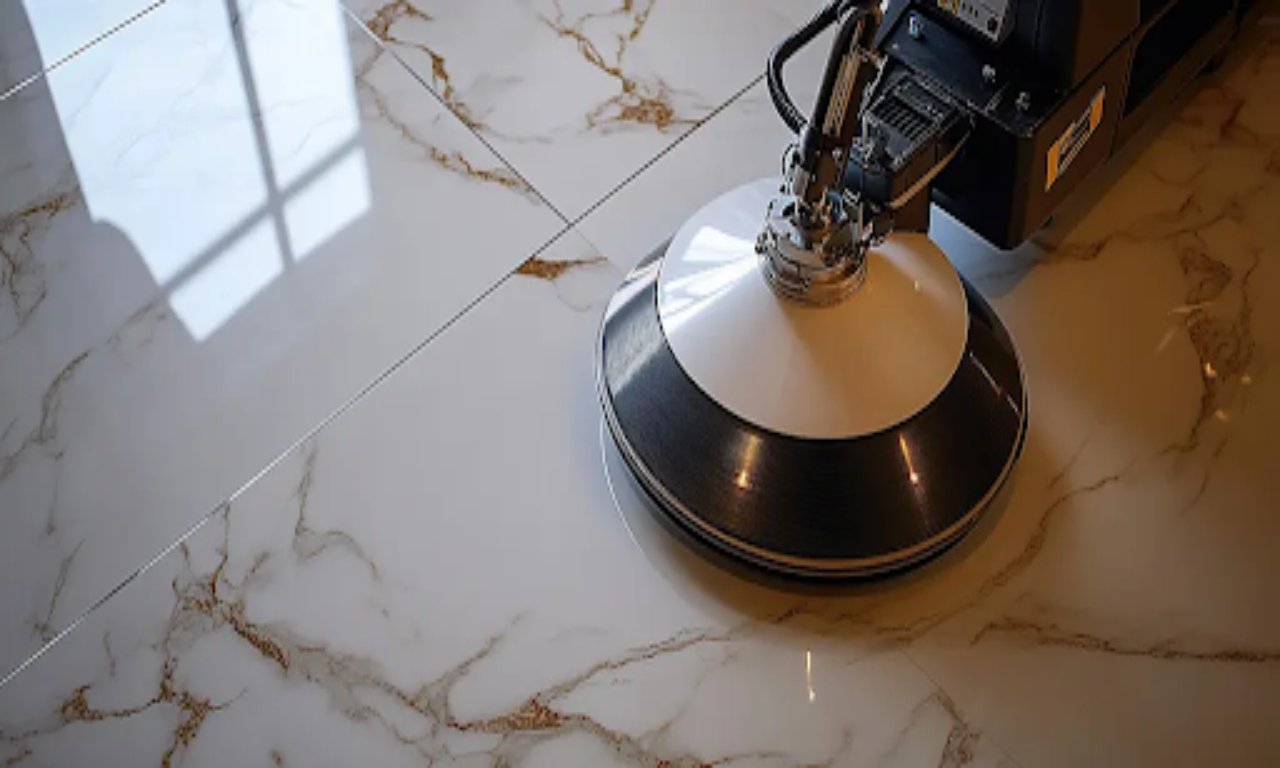
Marble stands as a timeless material in architecture and interior design, valued for its elegant appearance and inherent strength. From historic landmarks to contemporary homes, its unique veining and luster contribute to spaces of refined sophistication. However, maintaining this appeal requires more than routine cleaning. Marble polishing emerges as a critical process that not only enhances visual allure but also fortifies the stone against everyday wear. This article examines the importance of polishing, detailing its benefits for aesthetics, durability, and long-term preservation.
The Nature of Marble and Its Inherent Challenges
Marble originates from metamorphic rock, primarily limestone subjected to extreme geological pressures. This formation yields a stone with distinctive patterns and a porous structure. While these qualities allow for stunning variations in color and texture, they also make marble susceptible to damage from liquids, abrasives, and environmental factors.
Without intervention, pores in the stone absorb stains from spills such as oil or acidic substances, leading to discoloration and etching. Marble polishing addresses these vulnerabilities by refining the surface, closing microscopic openings, and creating a resilient barrier. This foundational step ensures the material retains its integrity in high-use environments, from kitchen countertops to flooring in commercial settings.
Aesthetic Advantages: Achieving and Sustaining Visual Excellence
One of the primary reasons to polish marble is to preserve and amplify its natural beauty. Freshly quarried marble exhibits a radiant sheen that reflects light, adding depth and vibrancy to any space. Over time, however, exposure to foot traffic, dust, and cleaning agents can dull this finish, resulting in a lackluster appearance.
The Polishing Mechanism for Enhanced Luster
Polishing involves a systematic abrasion using specialized tools, such as diamond-impregnated pads, to remove surface imperfections. The process begins with coarser grits to eliminate scratches and progresses to finer ones for a polished gloss. This method revives the stone’s reflective properties, allowing its intrinsic colors and veins to stand out more vividly.
For professionals in design and construction, this restoration is invaluable. A well-polished surface not only elevates the overall aesthetic of a room but also simplifies maintenance, as dirt and residues are less likely to adhere. In residential applications, such as entry halls or bathrooms, the renewed shine contributes to an atmosphere of luxury and cleanliness.
Options in Finishes: Gloss Versus Matte
Polishing offers flexibility in outcomes. A high-gloss finish provides a mirror-like effect, ideal for formal areas where light enhancement is desired. Alternatively, a honed or matte finish, achieved through lighter polishing, offers a subtler look that minimizes visible wear and reduces slip risks in wet zones. Selecting the appropriate finish depends on the space’s function and user preferences, ensuring both form and practicality.
Durability Benefits: Strengthening Against Daily Demands
Beyond aesthetics, polishing significantly bolsters marble’s durability. The stone’s composition, while robust, reacts adversely to acids, heat, and mechanical stress. Common household items like citrus fruits or hot pans can cause etching or thermal shock, compromising the surface over time.
Building Resistance to Wear
Through polishing, the stone’s density increases as weak layers are removed and the surface is sealed. Many polishing compounds incorporate protective agents that repel moisture and contaminants, extending the material’s lifespan. Research from industry associations indicates that polished marble can endure 20 to 30 years longer in demanding conditions compared to untreated counterparts.
In commercial venues, such as hotels or offices, regular polishing routines prevent premature degradation from heavy traffic. For homeowners, this translates to fewer repairs and replacements, safeguarding investments in premium materials.
Economic and Environmental Implications
Investing in polishing yields long-term savings by averting costly restorations. Environmentally, it promotes sustainability; marble is a natural resource that, when properly maintained, reduces the need for new extractions and minimizes waste. This approach aligns with modern building standards emphasizing eco-friendly practices.
The Polishing Procedure: Key Steps and Considerations
Understanding the polishing process demystifies its value and encourages proper application. It typically requires professional equipment, though basic techniques can be adapted for smaller tasks.
Essential Stages in Polishing
The procedure starts with thorough cleaning to eliminate debris. Abrasive tools then hone the surface, followed by the application of polishing agents to achieve the desired sheen. A final sealant layer provides ongoing protection. Professionals often use water-based methods to control dust and heat, ensuring safety and efficiency.
For optimal results, engaging certified experts is recommended, as they assess the marble’s type and condition. DIY efforts, while possible with kits, may yield inconsistent outcomes without experience.
Tools and Best Practices
Diamond pads and neutral pH compounds are standard. Avoiding aggressive chemicals is crucial to prevent further damage. Timing is also key; polishing should occur post-installation and periodically thereafter, based on usage intensity.
Ongoing Maintenance: Strategies for Prolonged Effectiveness
To maximize polishing’s benefits, integrate it into a broader care regimen. Daily practices include using coasters, promptly wiping spills, and employing soft cloths for cleaning.
Routine Care Recommendations
Select cleaners formulated for natural stone to avoid acidity. Protective mats in entryways capture grit, while furniture pads prevent scratches. These habits preserve the polished surface between professional sessions.
Frequency and Common Misconceptions
Schedule polishing every six to 12 months for high-traffic areas. A prevalent myth suggests marble requires no upkeep due to its hardness; in reality, proactive care is essential. Another assumes polishing erodes the stone—correct techniques actually reinforce it.
Adapting to Marble Varieties and Applications
Different marble types demand tailored polishing approaches. Softer stones, like Italian Carrara, benefit from frequent, gentle treatments, whereas denser varieties, such as Indian Makrana, tolerate more intensive methods.
In kitchens, a semi-polished finish resists stains effectively. Bathrooms favor higher gloss for moisture resistance, while living areas may prioritize matte for comfort. Customization ensures the process meets specific needs.
Health and Sustainability Aspects
Polished marble contributes to healthier interiors by sealing out allergens and mold growth. Its longevity supports sustainable design, reducing resource consumption compared to synthetic alternatives.
A Commitment to Enduring Quality
Marble polishing is indispensable for maintaining the stone’s beauty and resilience. By addressing vulnerabilities and enhancing properties, it ensures lasting value in both residential and commercial contexts. Prioritizing this practice not only protects investments but also upholds the material’s legacy of elegance. For those incorporating marble into their spaces, embracing polishing is a step toward sustained excellence.
 Taha Aziz | Peach Solutions