
 By Taha Aziz | Peach Solutions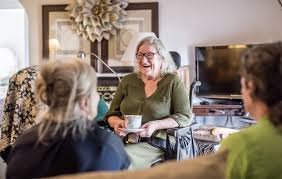
As people grow older, life doesn’t suddenly stop being personal. Preferences, routines, habits, and values don’t disappear with age—but sometimes the support people receive forgets that. That’s why personalised aged care services matter so much. They recognise that no two people age the same way, and everyday living works best when care fits the individual, not the system.
Personalised care isn’t about doing more—it’s about doing things differently. It’s the difference between simply “getting through the day” and actually enjoying it.
What Personalised Care Looks Like in Real Life
Personalised aged care starts with a simple idea: listen first.
Rather than applying the same routine to everyone, personalised care adapts support around a person’s lifestyle. One older adult might enjoy starting their day early with breakfast and a walk, while another prefers a slower morning and quiet time. Personalised care respects both.
Think about meal support. Some people love cooking and just need help with chopping ingredients or lifting heavy pots. Others may want meals prepared but still enjoy choosing what’s on the menu. Supporting these preferences preserves independence and dignity.
This approach mirrors how other industries work. Fitness trainers design programs based on individual ability, not generic plans. Teachers adapt lessons to different learning styles. Even streaming platforms personalise recommendations based on user behaviour. Care works best when it follows the same principle.
At its heart, personalised care is closely linked to person-centred care, a widely recognised approach that focuses on respect, choice, and individual needs rather than rigid systems.
How Personalised Support Improves Independence and Confidence
One of the biggest myths around aged care is that receiving help automatically means losing independence. In reality, personalised care often protects independence.
When support is tailored, it focuses on what a person can do rather than just what they can’t. For example, instead of taking over completely, a support worker might assist with balance while someone gets dressed, or provide gentle reminders rather than full supervision.
This is similar to how physiotherapy works. A therapist doesn’t walk for the patient—they guide, encourage, and support movement so strength and confidence can be maintained over time.
Small choices also matter. Being able to decide when to shower, what to wear, or how to spend the afternoon creates a sense of control. That control supports emotional wellbeing and reduces feelings of helplessness.
Across healthcare, education, and even workplace management, research consistently shows that people perform better and feel more confident when they have autonomy. Aged care is no different.
The Emotional Side of Feeling Known and Understood
Beyond physical help, personalised aged care has a powerful emotional impact.
Being remembered—your name, your routine, your favourite cup of tea—builds trust. It turns care into a relationship rather than a transaction. That sense of familiarity can reduce anxiety, especially for people living with cognitive changes or memory loss.
Loneliness is a significant challenge for many older adults. Personalised care often includes companionship and social support, not just task-based assistance. A shared conversation, a walk outside, or helping attend a community activity can make a day feel meaningful again.
This mirrors what we see in other support-focused fields. In customer service, people value being recognised. In education, students thrive when teachers understand them. In mental health, progress happens faster when clients feel heard. Human connection makes systems work better.
Why One-Size-Fits-All Care Often Falls Short
Standardised care can be efficient, but it often misses what matters most.
When routines are fixed and inflexible, people may feel rushed, ignored, or misunderstood. Something as simple as being helped to bed earlier than usual or not having input into daily activities can slowly erode comfort and confidence.
Personalised aged care services take a different approach. They evolve as needs change. What works today might not work next year—and that’s okay. Good care adapts rather than forcing people to adapt.
Midway through exploring care options, many individuals and families choose to learn more about personalised aged care services to better understand how tailored support fits into everyday living—before making long-term decisions.
Supporting Families as Well as Individuals
Personalised care doesn’t just benefit older adults—it also supports families.
When care aligns with a loved one’s personality and routines, families experience less stress and guilt. They’re reassured knowing support is respectful and responsive, rather than purely task-focused.
Clear communication also plays a big role. Personalised services tend to involve families in planning and updates, helping everyone stay informed and confident about the care being provided.
This collaborative approach reflects best practices in many industries, from healthcare teams to project management. When communication is open and expectations are clear, outcomes improve for everyone involved.
A Modern Approach to Ageing Well
Today’s older adults are living longer, staying active, and expecting care that reflects their individuality. Personalised aged care services align with this modern reality.
Ageing well isn’t just about safety—it’s about maintaining identity, relationships, and purpose. Personalised care supports that by fitting into daily life rather than reshaping it.
It recognises that ageing is not a problem to be managed, but a stage of life to be supported thoughtfully.
Final Thoughts: Small Details, Big Impact
Personalised aged care services make a difference by focusing on the details that truly matter. They respect routines, encourage independence, and prioritise dignity in everyday living.
When care feels personal, people feel valued—not managed. And when people feel valued, their days feel lighter, calmer, and more meaningful.
In the end, personalised care isn’t about doing more—it’s about doing what’s right, in a way that feels human.
 Callum