 By Callum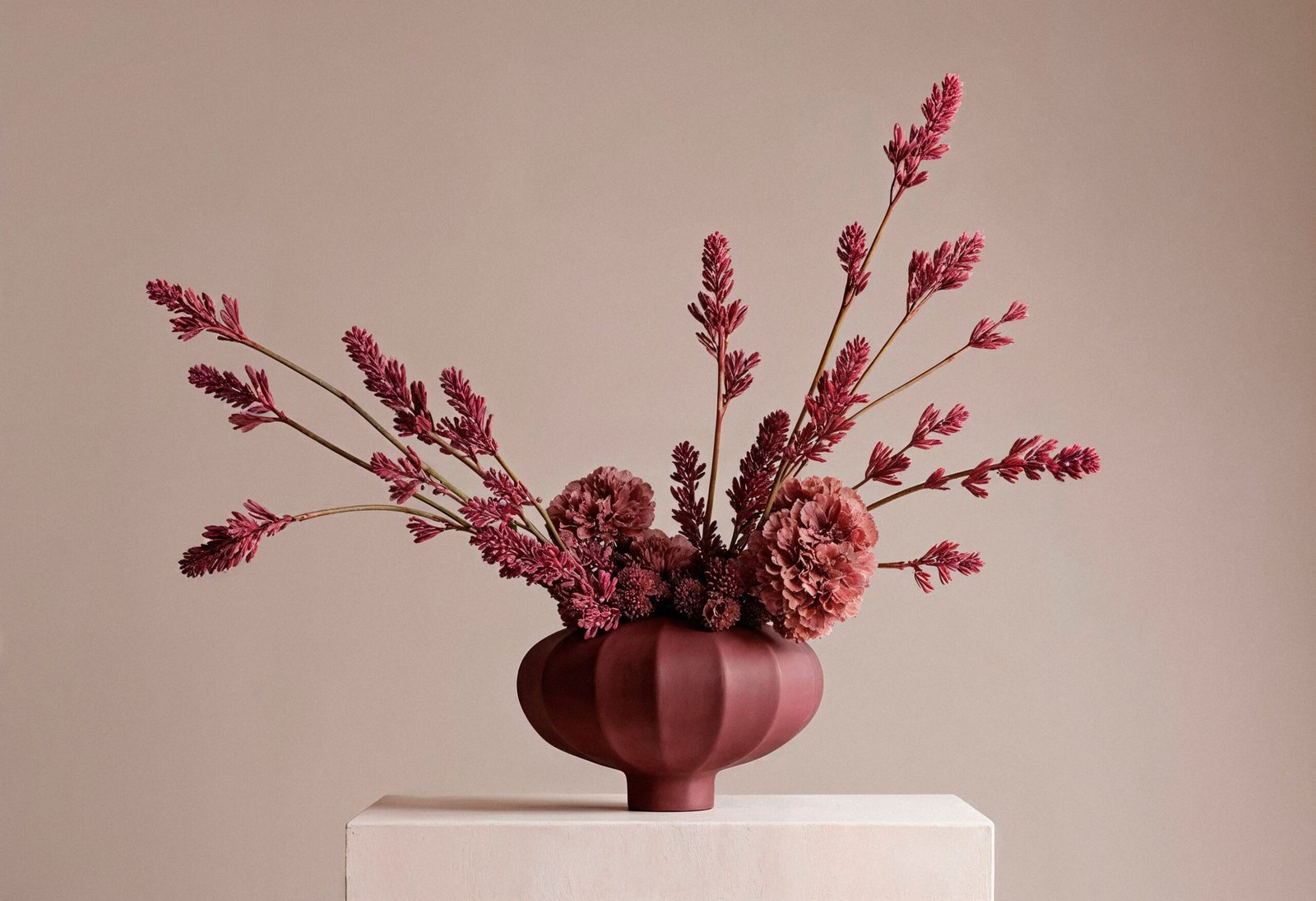
If you have ever walked past a window and noticed a simple, striking arrangement of bare branches in a vase, you have encountered pyntekvister without even realizing it. The word is Norwegian and Danish in origin. “Pynte” means to decorate, and “kvister” means twigs or branches. Together, pyntekvister means decorative branches—ornamental twigs deliberately brought indoors and arranged as part of the home.
At its core, pyntekvister is beautifully simple. A branch. A vase. A corner that needed something. But the idea behind it carries far more than the literal description suggests. This is not just another design trend that will disappear next month; it reflects deeper cultural roots in home décor.
The Origins of Pyntekvister
Pyntekvister originated in Nordic countries, particularly Norway, where people have long used natural elements as part of everyday home décor. The practice goes back generations—bare twigs painted white for winter, branches hung with small ornaments for Easter, spring cuttings placed in water to coax early blossoms indoors.
In Scandinavian homes, pyntekvister was never purely decorative. It was a way of tracking the seasons inside the house, of keeping a physical connection to what was happening outside when the weather made going out there less appealing. During the long, dark winters, bringing life and light indoors was essential for well-being and psychological comfort. Branches symbolized renewal, growth, and continuity, especially during seasonal transitions.
The practice originated in rural Scandinavian communities where families collected local branches during seasonal transitions, turning practical foraging into an art form that celebrated nature’s cycles. It was never about perfection—instead, it celebrated the natural shape, texture, and character of each branch.
Why Pyntekvister Works in a Room
There is a quality that a branch brings to an interior that almost nothing else does. It adds height without weight. It introduces an organic line into a space full of straight edges and right angles. It changes as the light changes—the shadows a bare twig casts at midday are completely different from what they do at four in the afternoon. And unlike flowers, it does not make demands. It does not wilt by Thursday. It simply stays, doing its quiet thing.
The Scandinavian design tradition has always understood something about empty space—that it is not a problem to solve but a quality to maintain. Pyntekvister works within that logic. A single branch in the right spot creates presence without density. The eye follows the line of it naturally. The room feels considered without being cluttered.
Pyntekvister works because it adds shape without adding clutter. It fills space without dominating it. That is why it fits so well in minimalist and Scandinavian interiors. It respects the space instead of competing with it.
The Modern Appeal of Pyntekvister
In recent years, pyntekvister has experienced a strong revival, especially as modern homes shift toward natural and sustainable design choices. Homeowners and designers are increasingly focused on biophilic design, which emphasizes bringing natural elements indoors to support well-being. Pyntekvister fits this movement perfectly. It requires minimal resources, lasts a long time, and offers endless styling possibilities.
Unlike mass-produced décor, decorative branches feel personal and grounded. They also align well with minimalist interiors, where each item is chosen with intention. As people move away from clutter and disposable décor, pyntekvister offers a thoughtful and lasting alternative.
The philosophy behind pyntekvister aligns perfectly with contemporary values of sustainability and minimalism. It encourages the use of locally sourced, natural materials that can be responsibly foraged. Unlike mass-produced plastic decorations, these branches offer a zero-waste, biodegradable option for home styling. Their inherent simplicity also complements the clean lines of minimalist design. This approach proves that true elegance does not require excessive consumption, but rather a thoughtful appreciation of natural forms and textures.
Types of Pyntekvister Branches
Understanding your options helps you choose the right style for your space. Here are some of the most popular choices:
Birch branches offer that clean Scandinavian aesthetic with their smooth, pale bark that complements minimalist interiors perfectly. Their delicate structure works well in smaller spaces where you want visual interest without overwhelming the room.
Willow branches bring flexibility and movement, making them perfect for creating dramatic curved arrangements that soften angular furniture.
Cherry and apple branches add rustic charm, especially when you can find pieces with interesting knots or natural character marks. They work beautifully for spring arrangements.
Eucalyptus, olive, and huckleberry branches are really beneficial due to their unique texture. Historically, they were used during festivals and special events.
For modern spaces, consider painted branches in matte white, soft grays, or even metallic finishes that catch light beautifully. LED-enhanced branches have also gained popularity for winter styling.
How to Create Your Own Pyntekvister
Creating your own pyntekvister saves money and lets you customize arrangements for your space. Here is a simple step-by-step guide:
Materials You Need
-
Fresh or dried branches (birch, willow, cherry, or hazel)
-
Pruning shears or sharp scissors
-
Weighted vase or container
-
Optional: spray paint, LED lights, or seasonal decorations
-
Soft brush for cleaning
Step-by-Step Process
Gathering Branches: Always collect fallen branches instead of cutting fresh ones unnecessarily. Look for interesting shapes and sturdy stems without damage or pests.
Preparation: Clean your branches thoroughly and trim them to varying heights, creating visual layers that draw the eye upward. Remove any loose bark or debris.
Finishing: Place them in a vase and step back. The key is not to overthink it. You do not need to “design” pyntekvister—you just need to place it well.
Styling Tips
-
Do not overfill the vase
-
Let branches sit naturally
-
Stick to one type at a time
-
Match the vase with your space
If it looks too arranged, it is already wrong.
Where to Use Pyntekvister
Living Room: Go for height. Use a tall vase and let the branches spread naturally. This works especially well if your room already has neutral tones. It fills empty vertical space without adding visual weight.
Dining Table: Keep it short. A small arrangement in the center works best. Anything too tall becomes annoying when people sit across from each other.
Entryway: This is where pyntekvister works quietly but effectively. A simple setup near the entrance gives a finished look without trying too hard.
Empty Corners: Instead of adding furniture, try a clean branch arrangement. It fixes the space without making it crowded.
Wall Art: These decorative twigs can be used for wall art by weaving them against a canvas using thread and some colours. This way, the twisted branches can be hung around doors and walls for an elevated look.
Seasonal Pyntekvister Ideas
Winter arrangements shine with white-painted branches, silver ornaments, and battery-operated LED lights that create a cozy ambiance during the dark months. Skip the overdone glitter and focus on subtle textures like natural pinecones, dried white berries, or simple ribbon accents in cream or soft gray tones.
Spring calls for fresh budding twigs that you can actually forage from your own yard or local parks. Combine these with pastel ribbon, small fabric flowers, or delicate glass ornaments that catch morning light.
Summer pyntekvister work best with colorful painted branches paired with dried flowers, seashells, or small lanterns for outdoor spaces.
Autumn arrangements often showcase colorful foliage and natural textures, while winter displays frequently feature evergreen branches that bring warmth and seasonal charm into the home.
The Connection Between Pyntekvister and Well-Being
Pyntekvister holds deep cultural meaning within Nordic design traditions. Rather than decorating for show, the goal was to create harmony and comfort. This quiet beauty is what still draws people to pyntekvister today, making it a reflection of both cultural heritage and everyday life.
For those who spend a lot of time in a home studio or creative workspace, this matters more than it might sound. The environment you work in shapes how you think and make. A corner that has been attended to—even with something as simple as a few branches in a vase—signals that the space is cared for. That signal has a real effect on the work that happens there.
In 2025, as people continue to value sustainability, slow living, and meaningful design, pyntekvister feels more relevant than ever. It offers a way to bring nature indoors, create calm, and add quiet elegance to any space—all with something as simple as a branch in a vase.
Final Thoughts
Pyntekvister is one of those beautiful Nordic ideas that feels both timeless and perfectly suited for modern living. It is simple, sustainable, and surprisingly powerful. Whether you choose a single dramatic branch or a cluster of delicate twigs, you are participating in a tradition that has connected people to nature for generations.
The beauty lies in the intentional imperfection—no two branches are identical, so every arrangement becomes a unique piece of modern design and personal home décor. Modern decorators love this authenticity because it breaks away from cookie-cutter decor that looks like it came from a catalog showroom.
So next time you are out for a walk, take a moment to notice the branches around you. You might just find the perfect piece of pyntekvister waiting to be brought home.