 By Callum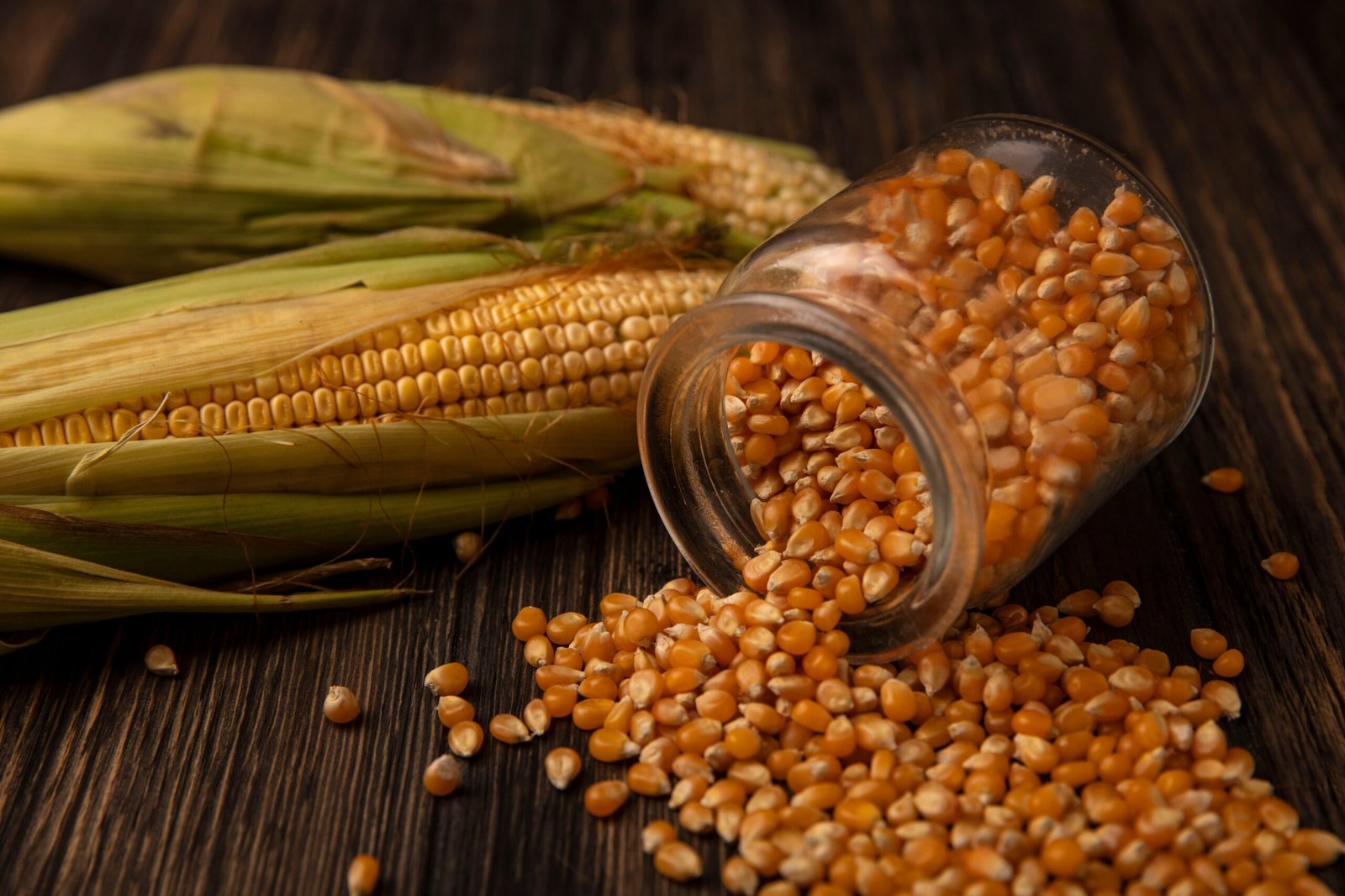
starch of maize is one of the most important carbohydrate-based industrial and food ingredients used across the world. Extracted from the endosperm of corn kernels, it is a fine white powder that plays a crucial role in food processing, pharmaceuticals, paper manufacturing, textiles, and biodegradable products. Because maize (corn) is widely cultivated in many countries, starch derived from it is both affordable and easily available, making it a global staple in industrial applications.
Understanding starch of maize is essential for food scientists, manufacturers, and even consumers who regularly use processed foods, as it is found in everything from sauces and soups to snacks and confectionery items.
What is starch of maize?
starch of maize is a carbohydrate extracted from the grains of maize. It is primarily composed of two polysaccharides: amylose and amylopectin. These molecules are made up of long chains of glucose units, which provide energy storage in plants.
In simple terms, maize starch is the energy reserve of the corn kernel. When extracted and refined, it becomes a versatile ingredient with thickening, stabilizing, and binding properties.
The starch is typically odorless, tasteless, and insoluble in cold water, but it forms a gel-like substance when heated with water.
Composition and Structure
The chemical structure of starch of maize consists of:
- Amylose (20–30%): A linear chain of glucose molecules that contributes to gel formation and firmness.
- Amylopectin (70–80%): A highly branched molecule responsible for viscosity and stickiness.
The ratio of these two components affects the functional properties of the starch. For example, high-amylopectin starch produces a more sticky and stable gel, while higher amylose content results in firmer textures.
This molecular structure is what makes maize starch so valuable in both food and industrial applications.
Extraction and Manufacturing Process
The production of starch of maize involves several steps:
1. Cleaning
Maize kernels are first cleaned to remove dust, dirt, and foreign particles.
2. Steeping
The cleaned kernels are soaked in warm water mixed with sulfur dioxide for 24–48 hours. This softens the grain and helps separate components.
3. Grinding
The softened maize is coarsely ground to release the germ and starch-containing endosperm.
4. Separation
The germ is separated for oil extraction, while the remaining slurry contains starch, fiber, and protein.
5. Washing and Refining
The starch is washed multiple times to remove impurities such as gluten and fiber.
6. Drying
Finally, the purified starch is dried and milled into a fine powder.
This process ensures a high-quality, pure starch product suitable for multiple uses.
Physical and Chemical Properties
starch of maize has several important properties:
- White, fine, and powdery texture
- Tasteless and odorless
- Insoluble in cold water
- Forms a gel when heated with water
- High viscosity in solution form
- Easily digestible carbohydrate
These properties make it extremely useful as a thickening and stabilizing agent in various industries.
Uses of starch of maize in the food industry
One of the largest applications of maize starch is in the food sector.
Thickening agent
It is widely used to thicken soups, gravies, sauces, and puddings.
Baking industry
In baking, it improves texture and softness in cakes, cookies, and pastries.
Confectionery
It helps control moisture and prevents sugar crystallization in candies and sweets.
Dairy products
Used in yogurt, ice cream, and custards to enhance creaminess and stability.
Instant foods
It improves texture and consistency in ready-to-eat meals and instant mixes.
Because it is neutral in taste, it does not affect the flavor of foods, making it ideal for culinary applications.
Industrial applications of starch of maize
Beyond food, starch of maize plays a critical role in many industries.
Paper industry
It is used in paper production to improve strength, smoothness, and printability.
Textile industry
In textiles, it is used for sizing yarns, which strengthens fibers during weaving.
Adhesives
Maize starch is a key ingredient in glue and adhesive products.
Pharmaceuticals
It is used as a binder and disintegrant in tablet formulations.
Biodegradable plastics
With increasing environmental concerns, maize starch is used to produce eco-friendly plastics that decompose naturally.
Cosmetics
It is found in powders and skincare products for moisture absorption and smooth texture.
Nutritional value and health aspects
starch of maize is primarily a carbohydrate source, providing energy to the body. However, it contains minimal protein, fat, vitamins, or minerals.
Benefits:
- Quick energy source
- Easily digestible
- Gluten-free (suitable for gluten-intolerant individuals)
Limitations:
- High glycemic index (can raise blood sugar quickly)
- Low nutritional density
- Overconsumption may contribute to weight gain
For this reason, it is often used in moderation within a balanced diet.
Modified maize starch
In modern food technology, starch of maize is often chemically or physically modified to improve its performance. Modified starch has enhanced properties such as:
- Better heat resistance
- Improved thickening ability
- Increased stability in acidic conditions
- Longer shelf life
These modifications expand its industrial applications, especially in processed foods and frozen products.
Environmental importance
Maize starch is gaining attention as a sustainable material. Since it is plant-based and biodegradable, it is being used to replace petroleum-based plastics. This helps reduce environmental pollution and supports eco-friendly manufacturing practices.
Bioplastics made from maize starch decompose naturally, making them an important innovation in reducing plastic waste.
Economic importance
starch of maize contributes significantly to the global economy. Countries with large maize production, such as the United States, China, and Brazil, are major suppliers of corn starch products.
It supports agricultural industries, food manufacturing, and export markets. Its affordability and availability make it a key commodity in global trade.
Storage and handling
Proper storage of maize starch is important to maintain quality:
- Store in a cool, dry place
- Keep away from moisture
- Use airtight containers
- Avoid exposure to strong odors
If stored correctly, it can last for a long period without losing its properties.
Future of starch of maize
The demand for starch of maize is expected to grow due to increasing applications in food processing, pharmaceuticals, and eco-friendly materials. Research is ongoing to develop more efficient modified starches and sustainable production methods.
With rising environmental awareness, maize starch-based biodegradable products are likely to play a major role in replacing synthetic materials in the future.
Conclusion
starch of maize is a highly versatile and essential ingredient with wide-ranging applications across food, industrial, pharmaceutical, and environmental sectors. Its unique chemical structure, ease of production, and functional properties make it one of the most valuable plant-derived materials in the world.
From thickening sauces in kitchens to creating biodegradable plastics, maize starch continues to shape modern industries. As technology advances, its importance is only expected to grow, making it a key component in both economic development and sustainable innovation.