 By Callum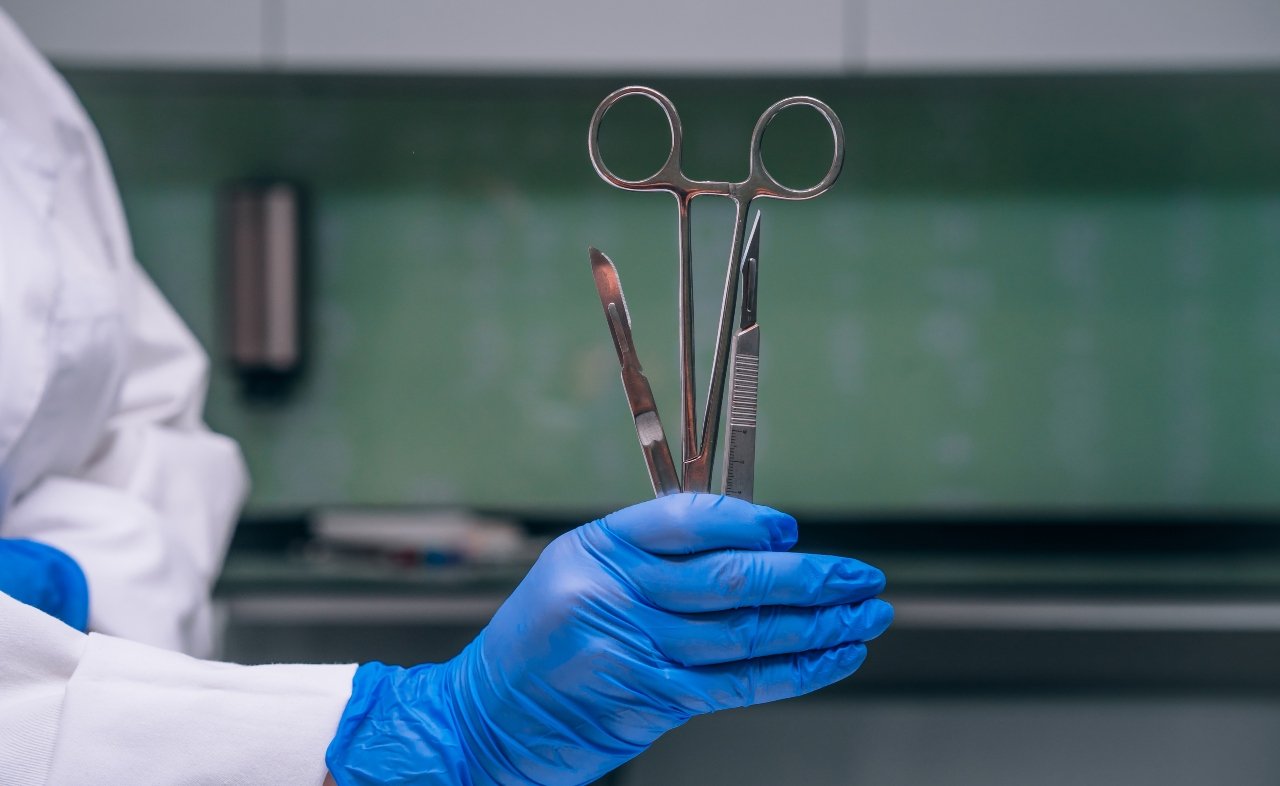
metzenbaum scissors are specialized surgical instruments designed primarily for cutting and dissecting delicate tissues. Their long, slender blades and relatively small cutting surfaces allow medical professionals to perform controlled procedures where precision matters. Unlike general-purpose scissors, these instruments are specifically designed for soft-tissue work and are commonly associated with surgical environments.
Understanding the design, purpose, variations, maintenance, and appropriate applications of metzenbaum scissors helps explain why they remain an important part of many surgical instrument sets. Their distinctive construction allows surgeons and other trained medical professionals to separate or cut tissue with greater control than they could achieve with heavier scissors.
What Are metzenbaum scissors?
metzenbaum scissors are surgical scissors traditionally used for delicate tissue dissection. They generally feature long shanks and relatively short, narrow blades. The handles may be straight or curved depending on the design and intended application.
The instrument’s proportions provide a useful combination of reach and precision. Longer shanks allow the user to access areas that may be difficult to reach with shorter instruments, while the smaller blades provide controlled cutting.
Read: Not a Shortcut, Not a Replacement: How Online Prescriptions Are Quietly Changing Healthcare in Australia
These scissors are commonly manufactured from surgical-grade stainless steel or other materials designed to withstand repeated cleaning and sterilization. Their construction allows them to function as reusable surgical instruments when properly maintained.
History of metzenbaum scissors
The instrument takes its name from American surgeon Myron Metzenbaum, who became associated with the development of specialized surgical instruments. The design emerged from the need for an instrument that could provide greater control during delicate tissue procedures.
Over time, manufacturers developed different variations to accommodate changing surgical techniques. Today, healthcare facilities may stock straight, curved, blunt-tip, and other specialized versions.
The continuing use of these scissors demonstrates the importance of carefully designed instruments in surgery. Even as medical technology advances, basic surgical tools remain valuable because they provide direct mechanical control.
Design and Construction
The design of metzenbaum scissors distinguishes them from many other surgical scissors.
Several features contribute to their performance:
Long Shanks
Long shanks provide additional reach while keeping the user’s hand away from the immediate operating area. This can be especially useful when working within a confined surgical field.
Narrow Blades
The relatively narrow blades support precise tissue dissection. Their design makes them more suitable for delicate work than heavier utility scissors.
Curved or Straight Options
Manufacturers produce both curved and straight versions. Curved blades can help follow tissue planes and provide visibility during certain procedures, while straight blades may suit more direct cutting tasks.
Ring Handles
Traditional designs feature finger rings that allow the user to control opening and closing. Proper instrument handling contributes to precise movement.
metzenbaum scissors vs. Mayo scissors
One of the most common comparisons involves metzenbaum scissors and Mayo scissors. Although both are surgical scissors, they serve different purposes.
Mayo scissors typically have heavier blades and are designed for cutting tougher materials or tissues. metzenbaum scissors, by contrast, generally have lighter construction and are intended for more delicate tissue work.
The distinction can be summarized as follows:
| Feature | metzenbaum scissors | Mayo scissors |
| General design | Slender and delicate | Heavier and stronger |
| Typical use | Delicate tissue dissection | Tougher tissue or material cutting |
| Blades | Narrower | Wider and more robust |
| Precision | High | Strong cutting capability |
| Construction | Lightweight compared with Mayo styles | Heavier |
Choosing between the two depends on the procedure, tissue characteristics, and requirements of the trained professional.
Common Uses
metzenbaum scissors have several applications in surgical settings. Their primary role involves delicate dissection and cutting of soft tissue.
They may be used in procedures involving:
- General surgery
- Plastic surgery
- Cardiothoracic procedures
- Vascular surgery
- Gynecological surgery
- Veterinary surgery
- Other specialized surgical disciplines
The specific use depends on the surgical technique and the instrument configuration.
These scissors may also assist with separating tissue layers during dissection. Their long design can provide useful reach while maintaining controlled movement.
Curved and Straight Versions
Both curved and straight designs are available.
Curved metzenbaum scissors
Curved versions are popular for situations where the surgeon needs to work around anatomical structures or follow a tissue plane. The curve can also help improve visibility by moving the user’s hand and instrument shaft away from the immediate cutting area.
Straight metzenbaum scissors
Straight versions provide a more direct cutting path. They may be selected when the surgical field allows straightforward access to the tissue.
The choice between curved and straight instruments depends on the procedure and the preference of the trained professional.
Blunt and Sharp Tips
Tip design also affects how an instrument is used.
Sharp tips provide a more precise cutting point, while blunt-tip designs can offer additional protection against accidental penetration during certain dissection tasks.
The appropriate tip depends on the tissue, procedure, and technique. Healthcare professionals select instruments according to the specific requirements of the operation.
Importance of Precision
Surgical procedures often require extremely controlled movements. A small difference in the position or angle of an instrument can affect the result.
The design of metzenbaum scissors supports this need for precision. Their relatively lightweight structure and narrow blades allow trained users to make controlled cuts and perform delicate dissection.
Precision also depends on factors beyond the instrument itself. Proper training, technique, visibility, lighting, surgical planning, and instrument condition all contribute to safe and effective procedures.
Proper Handling
Because metzenbaum scissors are precision surgical instruments, trained professionals should handle them carefully.
General instrument-handling principles include:
- Use the scissors only for their intended purpose.
- Avoid cutting materials that can damage the blades.
- Keep the instrument clean and properly maintained.
- Inspect the blades before use.
- Follow institutional sterilization procedures.
- Store instruments appropriately.
Using a delicate surgical instrument for inappropriate materials can cause premature wear or damage.
Cleaning and Sterilization
Reusable surgical instruments require thorough cleaning and sterilization according to established healthcare protocols.
After use, instruments should be processed according to the facility’s validated procedures. Cleaning removes biological material and other contamination, while sterilization eliminates microorganisms to the required standard.
Healthcare facilities typically use validated processes appropriate for the instrument material and design. Staff should always follow the manufacturer’s instructions and their institution’s infection-control policies.
Proper processing protects patients and healthcare workers while extending the useful life of surgical instruments.
Inspecting the Instrument
Regular inspection can identify problems before an instrument is used in a procedure.
Important areas to examine include:
- Blade edges
- Tips
- Hinges
- Finger rings
- Alignment
- Surface condition
Damaged or poorly functioning scissors should be removed from service and evaluated by appropriately trained personnel.
A loose hinge, damaged blade, corrosion, or poor alignment can affect performance and may indicate that the instrument requires repair or replacement.
Maintaining Cutting Performance
Sharpness is particularly important for surgical scissors. Dull blades may require greater force and can reduce cutting control.
Professional instrument-repair services can assess and restore suitable reusable instruments when permitted by the manufacturer and facility’s policies.
Users should not attempt improvised sharpening methods because inappropriate sharpening can alter blade geometry and compromise performance.
Materials Used in Manufacturing
Surgical scissors are commonly produced from corrosion-resistant stainless steel. This material provides strength, durability, and resistance to repeated cleaning and sterilization.
Some manufacturers also offer specialized finishes or materials designed for particular environments.
The quality of manufacturing affects the instrument’s longevity. Precision machining and careful finishing help ensure that the blades align correctly and the hinge operates smoothly.
Selecting the Right Size
metzenbaum scissors are available in different lengths and configurations.
Longer instruments can provide additional reach, while shorter versions may offer greater control in smaller operating fields.
Selection depends on:
- Surgical procedure
- Anatomical location
- Tissue type
- Required reach
- Surgeon preference
- Instrument compatibility
There is no single size suitable for every situation.
Role in Modern Surgery
Despite advances in minimally invasive and robotic surgery, traditional surgical instruments remain important.
Modern operating rooms combine conventional tools with advanced technologies. Surgeons may use specialized cameras, robotic systems, energy devices, and other technologies alongside familiar instruments.
The continued presence of metzenbaum scissors reflects their practical value. Their simple mechanical design provides direct tactile control that remains useful in many surgical environments.
Use in Veterinary Medicine
Veterinary professionals also use specialized surgical scissors. Animals require many of the same fundamental surgical principles as humans, including controlled tissue handling and appropriate instrument selection.
The exact instrument depends on the animal, procedure, anatomical location, and veterinary surgeon’s technique.
Veterinary facilities also follow strict cleaning, sterilization, and instrument-maintenance procedures to protect animal patients and staff.
Buying and Choosing Surgical Scissors
Medical facilities selecting surgical instruments should consider quality, intended application, durability, manufacturer specifications, and compatibility with their sterilization processes.
Important questions include:
- Is the instrument designed for the intended surgical task?
- Is the size appropriate?
- Is the blade configuration suitable?
- Does the manufacturer provide maintenance guidance?
- Can the instrument withstand the facility’s validated processing method?
- Does the supplier provide appropriate quality assurance?
Professional healthcare procurement teams should evaluate instruments according to clinical requirements and applicable standards.
Common Mistakes to Avoid
Several mistakes can reduce the lifespan of surgical scissors.
One common error is using delicate scissors to cut materials for which they were not designed. This can damage the cutting edges.
Another issue is improper cleaning. Residual biological material can affect the instrument’s surface and mechanical performance.
Poor storage can also cause problems. Instruments should be protected from unnecessary contact and stored according to facility procedures.
Finally, continuing to use damaged instruments can create unnecessary risks. Regular inspection helps identify problems early.
The Future of Surgical Instruments
Surgical instruments continue to evolve alongside medical technology. Manufacturers increasingly focus on ergonomics, precision manufacturing, specialized materials, and improved instrument designs.
Future developments may produce instruments that are lighter, more durable, and better suited to specialized procedures.
Even with these innovations, the basic principles behind surgical scissors will remain important: precision, reliability, durability, and appropriate tissue handling.
Conclusion
metzenbaum scissors remain an important example of specialized surgical instrument design. Their long shanks, narrow blades, and lightweight construction make them particularly suited to delicate tissue dissection and controlled surgical cutting.
Understanding the differences between metzenbaum scissors and heavier instruments such as Mayo scissors helps clarify why healthcare professionals maintain a variety of surgical tools. Different procedures require different levels of strength, reach, precision, and control.
Proper selection, handling, cleaning, sterilization, inspection, and maintenance are essential for reusable surgical instruments. Only trained healthcare professionals should use these instruments in clinical procedures, following applicable medical protocols and manufacturer instructions.
As surgical technology continues to advance, precision instruments will remain an important part of medical practice. The enduring role of metzenbaum scissors demonstrates how a carefully engineered instrument can continue to provide practical value across many areas of surgery.